I am still in Sydney. However, my departure is imminent.
A few days ago I had a chance meeting with an old colleague from my days at Caltex Oil Australia. She gave me the details of other colleagues. I have taken the opportunity to meet up with a couple of them.
Last night met up with one of my ex Caltex colleagues in pub in Surry Hills, a suburb which close to the Sydney CBD. The pub is on Devonshire Street. This street has been earmarked as part of the route for the Eastern Suburbs Light Rail (tram).
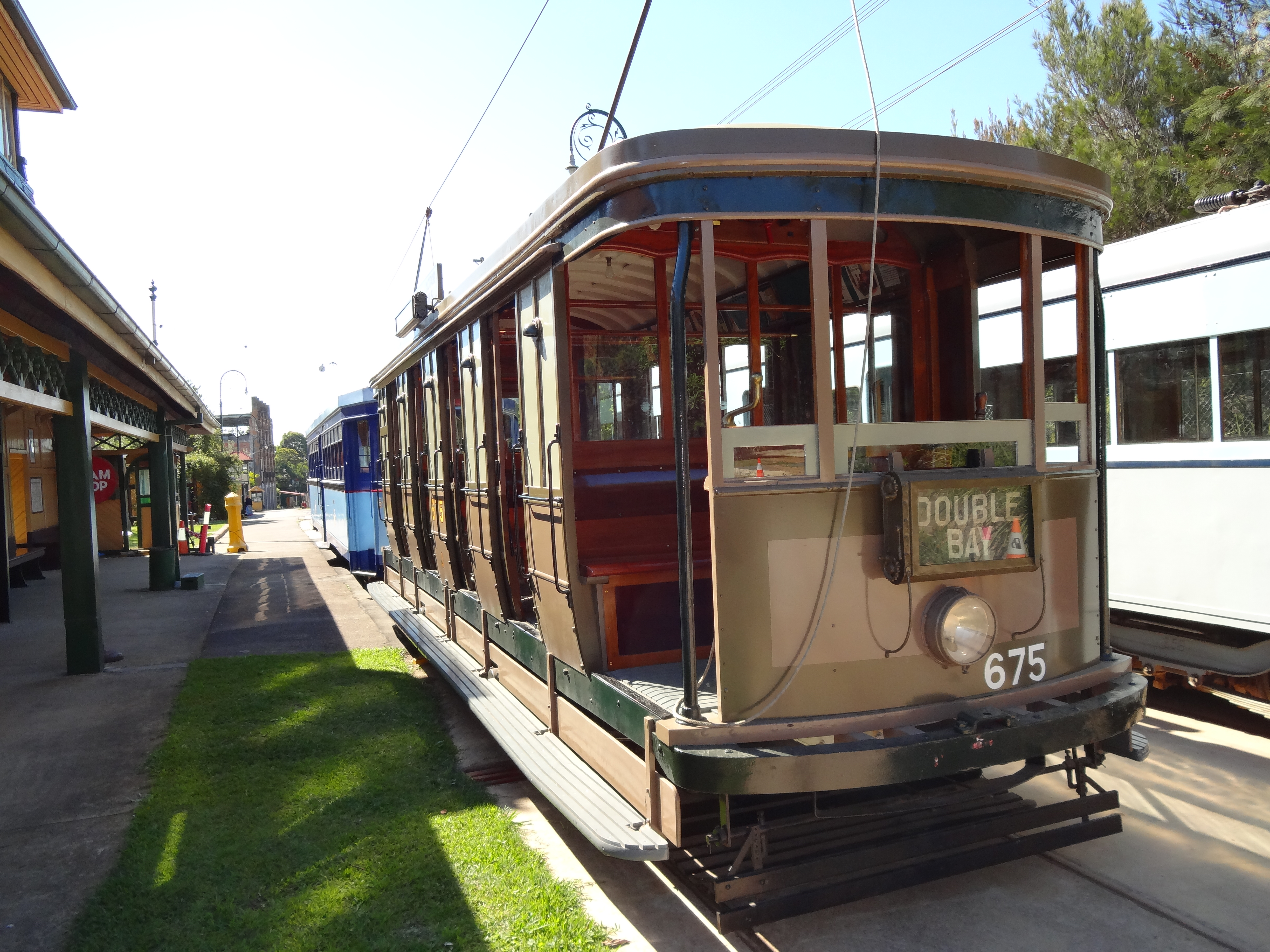
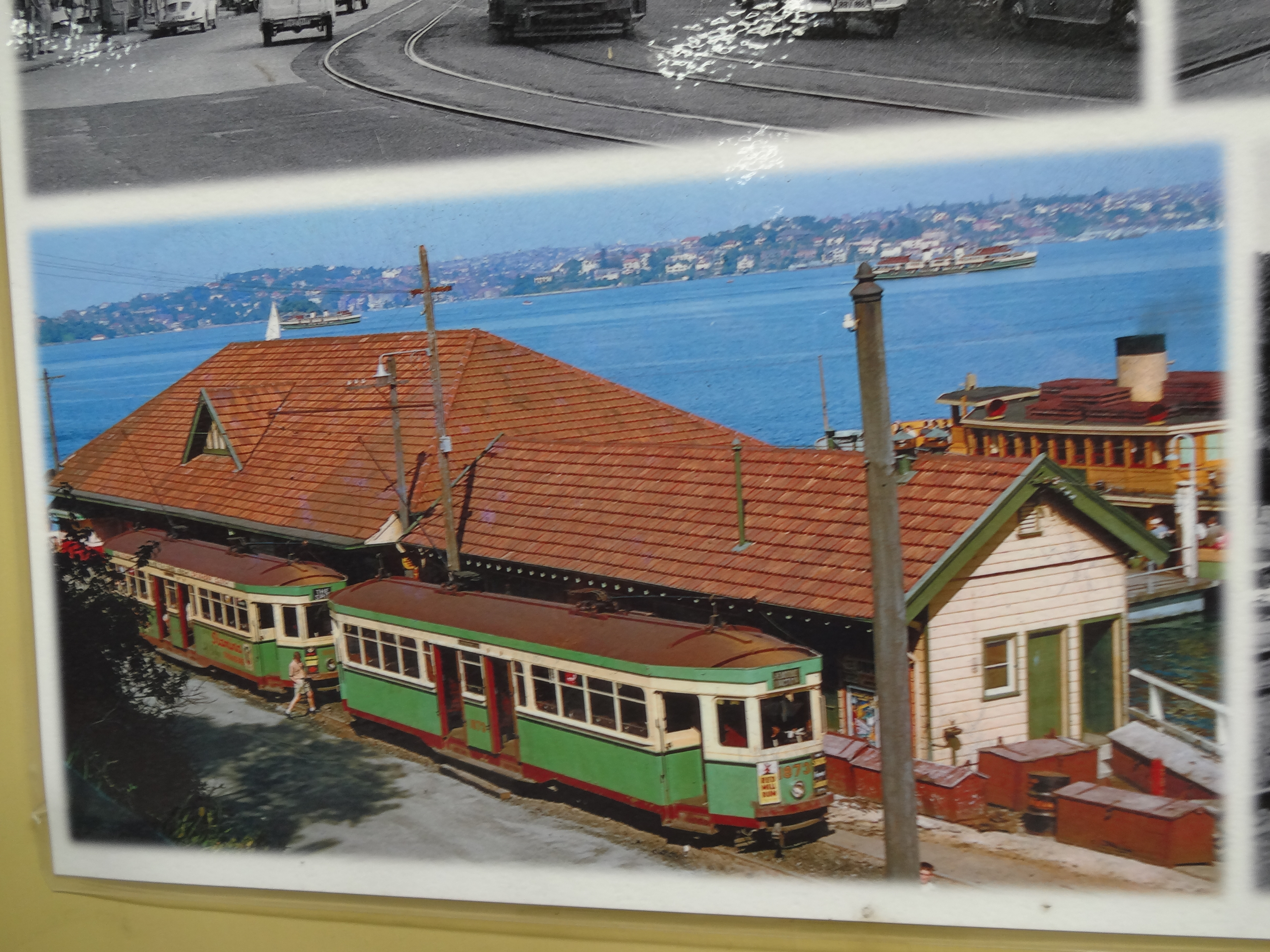
Like many cities, Sydney had an extensive tram system in 20th century. It is claimed it was second only to London’s in tack length. It covered the inner city and extended to the coast (Bondi Beach) in the eastern suburbs, through the lower north shore (Mosman, Balmoral and Cremorne) and up the Northern Beaches to Narrabeen.
Also like many cities, Los Angeles being another classis example, Sydney ripped up its tram network. The network was closed in 1961. The prevailing view was that the city’s transport needs would be better met by the car and buses. How short sighted that proved to be.
A classic example of the failure of the car and bus based transport solution is George Street. This is the main street running from the west of the CBD to Circular Quay on the harbour. It is the route that takes the buses from the west into the CBD, and the buses travelling from southern part of the CDB, over the bridge to the north shore. It is also used by hundreds of taxis and cars. At the best of times the traffic on the street is slow. At the worst of times the traffic barely moves at walking pace. The worst time is Friday after 5.00 pm, when the street suffers the classic’ grid lock’. Buses and car approach the intersection at the Town Hall often have to wait through 3 or 4 traffic light cycles before crossing Park Street. It is a farce.
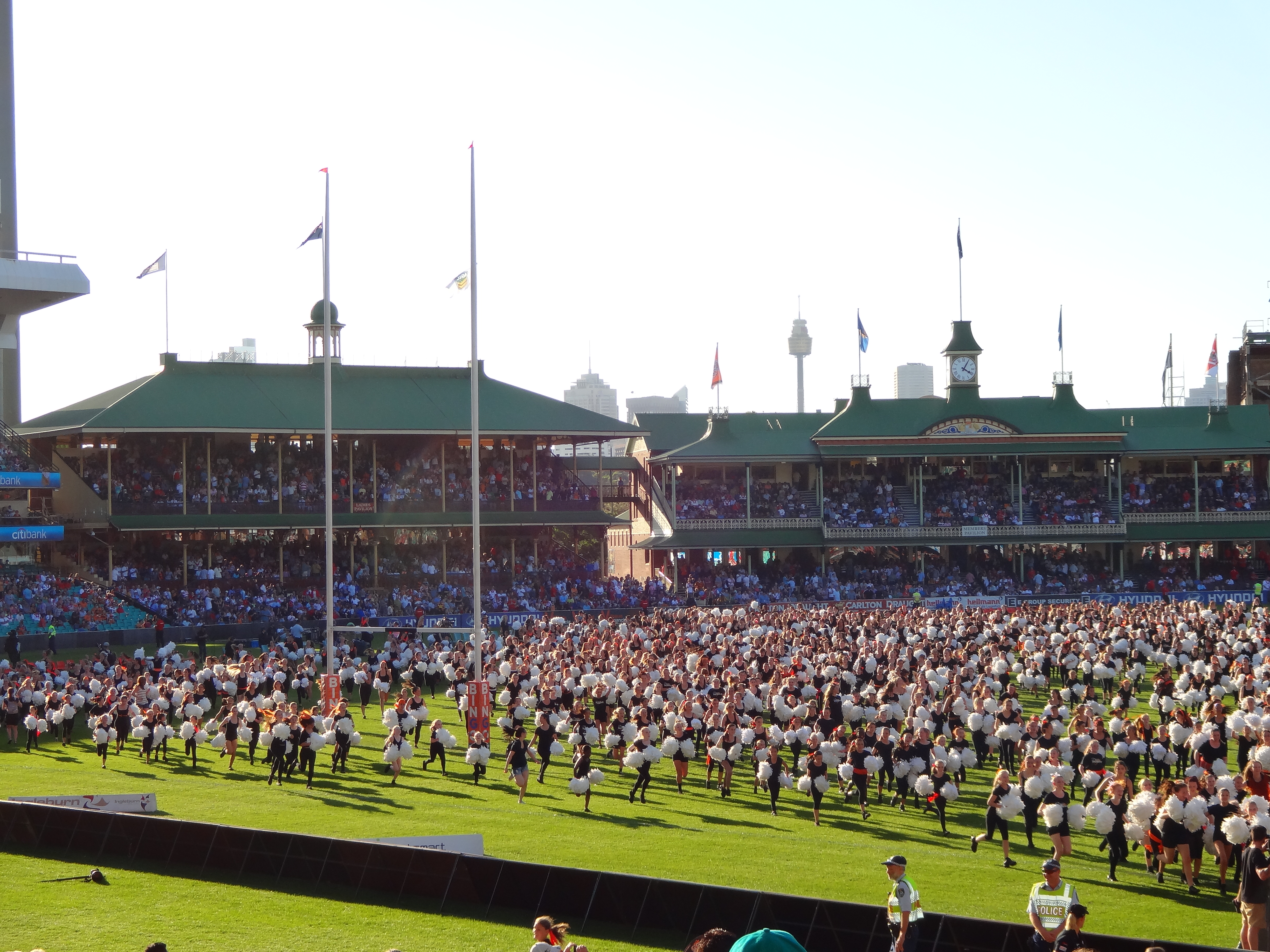
The George Street problem has finally prompted to Government take some action. The solution: surprise, surprise – is a tram network. The CDB and South East Light Rail will run down George Street and out through Surry Hills past the Sydney Football Stadium and Cricket Ground. It will be fantastic.
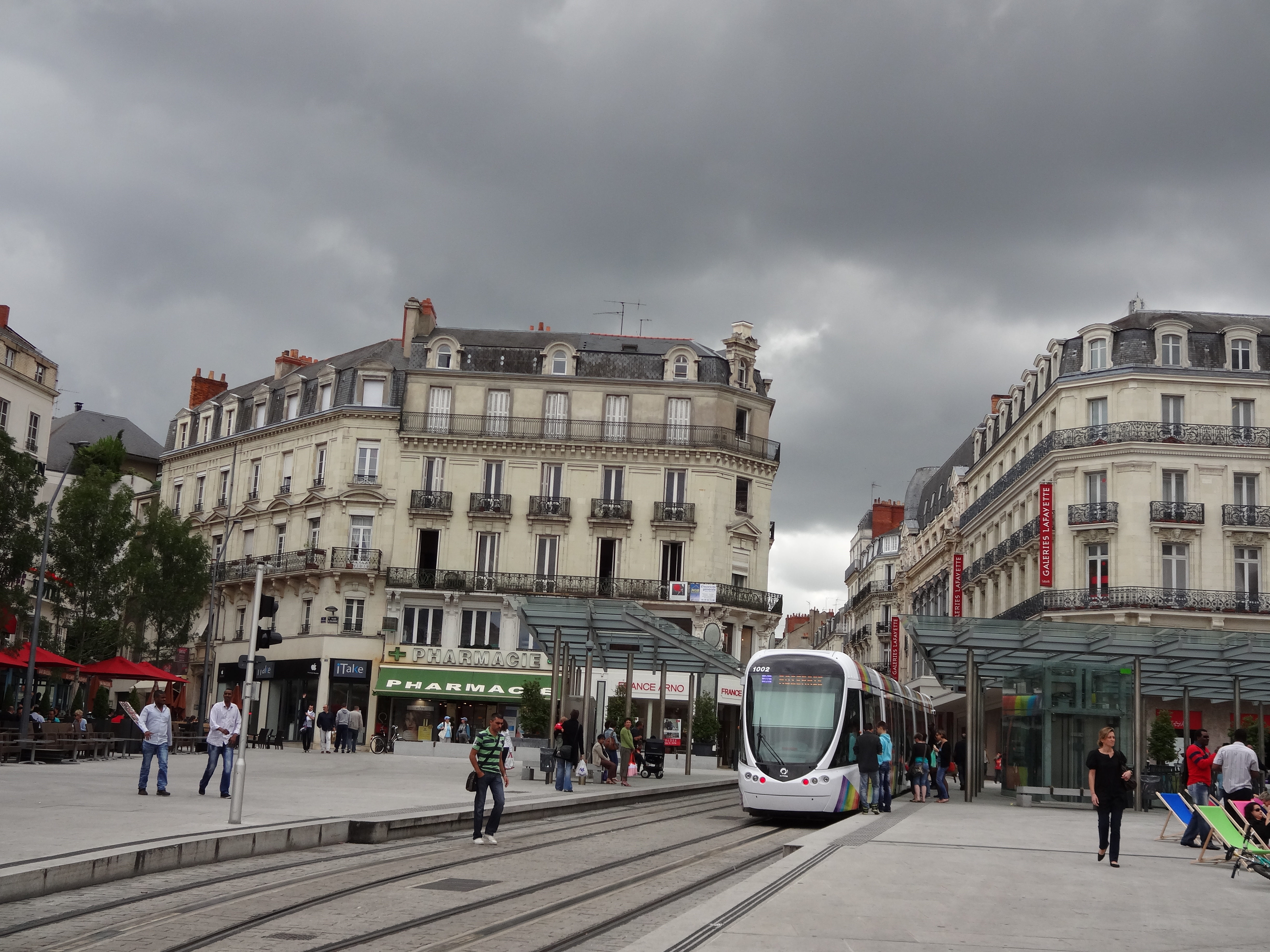
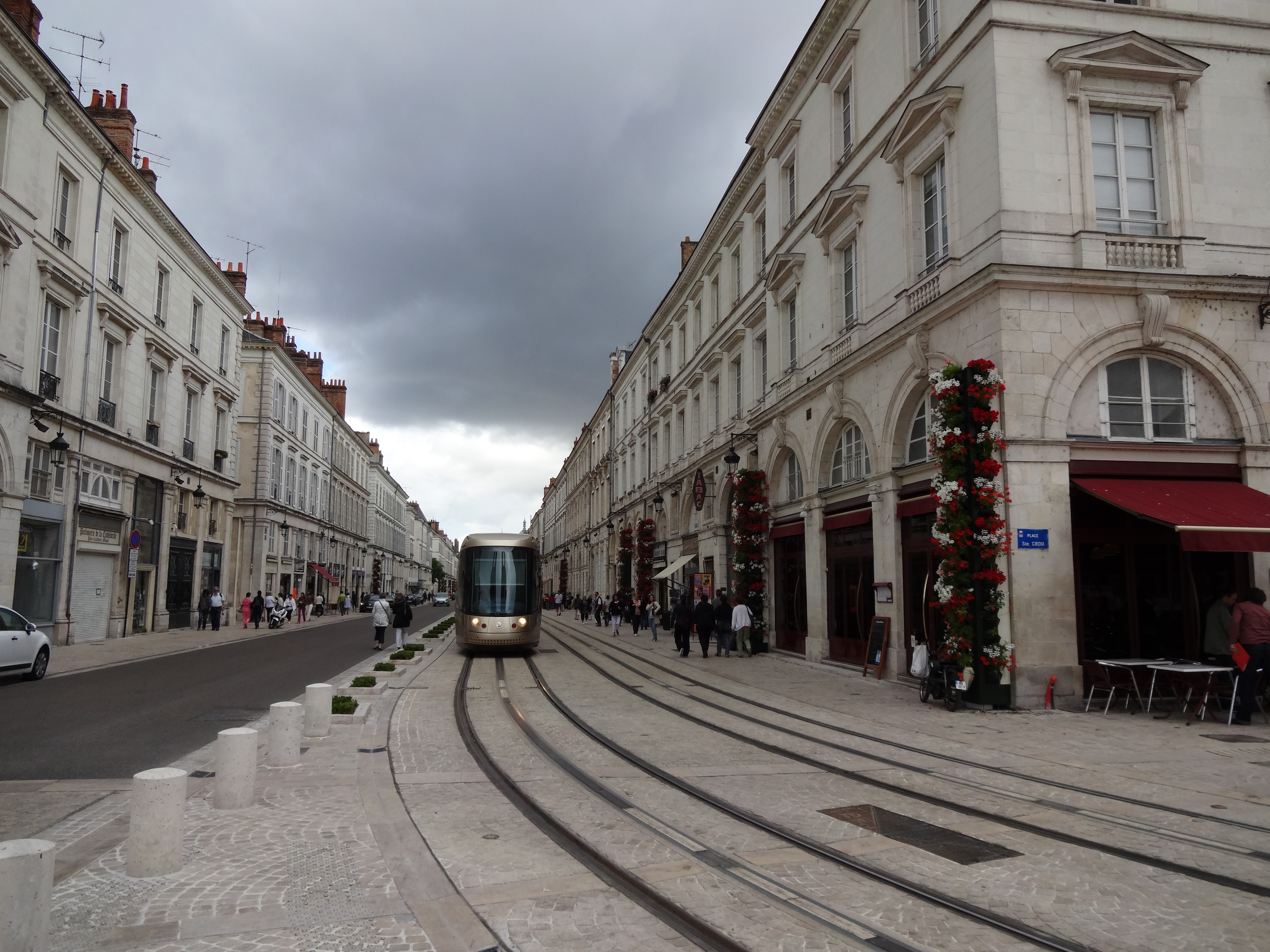
In my travels I have seen many tams systems. Few are better than Melbourne’s. How clever was that city in deciding to retain and develop its network? Other good examples are of course found in Europe. Lisbon, and most German cities, being good examples. Other examples I have seen recently were in provincial cities in France: Orleans and Angers in the Loire Valley being case in point.
Some residents of Devonshire Street are objecting to tram route passing through their street. It is good that their objections are being heard, but that is all.
There is a tram museum at Loftus in Sydney’s south. It is worth a visit.
Lets’ hope that the’ new tram’ network is extended and some of the old routes, including the lower north shore are re-established.
New Tram Route
http://www.transport.nsw.gov.au/lightrail-program/cbd-and-south-east-light-rail
Tram Museum
http://sydneytramwaymuseum.com.au/
Photos




 billrider2013