Maggie Thatcher is dead.
There has been a rush of articles in the press about Thatcher’s legacy and her impact on the UK. Most of this analysis is mixed, being both critical and complimentary to her.
I was in London from 1977 to 1979. The winter of 1978/79, has become known as the ‘winter of discontent’. It was that final months of the Labour Government. The country was suffering high unemployment and industrial unrested. One well publicised strike was by the garbage collectors in London. For several days rubbish piled up in parks and squares throughout London. I think the most photographed pile was the one in Leicester Square.
For me the winter of 1978/79 was the winter of content. I was having a ball. I will post more about that later.
UK elections take place on Tuesday. In 1979 I was living in the Wimbledon and Merton constituency. I recall that the seat was held by the shadow Attorney General, a bloke called Havers for the Conservative Party. The Labour Candidate was a bloke called Rock Tansey. On the basis of both his Party and his name, Rock had ‘snowflakes in hell’ of winning.
Voting in elections in the UK is not compulsory (compulsory voting is a uniquely Australian thing). As a result parties put a lot of effort to get people to vote. This includes offering to transport them to the polling booth. In my constituency the Conservatives sent out leaflets with a number to call if you want a lift to the polling booth. There was booth near the Raynes Park Railway Station where I caught the train to work.
I booked a ride to station courtesy of the Conservative Party. A very nice middle aged women arrived at the house at the appointed time in a British Racing Green XJ6 Jaguar. She drove me the mile and half or so to the polling booth. As a result Rock Tansey got a vote. He didn’t win the seat. The Conservatives won the General Election and as they say, the rest is history.
I returned to London in 1982. By that time the Thatcherite policies had really started to bite. Unemployment had hit 3 million and it seemed every second house was for sale. I still had a ball in London. More about that later.
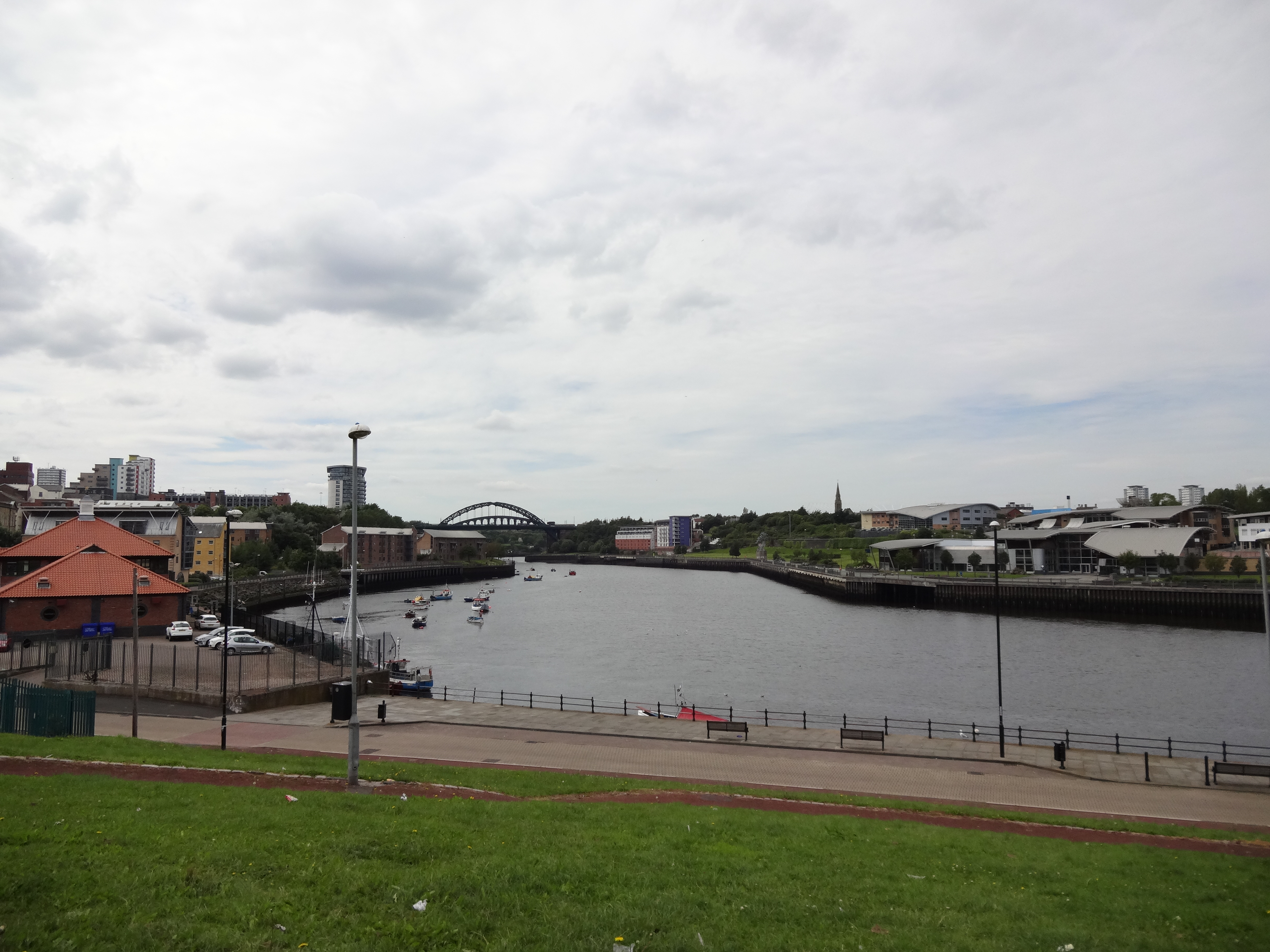
As the recent analysis on the Thatcher years is highlighting, the 1980’s saw the mass destruction of secondary industry in the UK. This was particularly felt in the industrial Midlands and the North East of England. The city of Sunderland, where my father was born and brought up is classic example of this destruction. It was a great ship building centre. My grandfather worked in the shipyards and the family lived nearby. During the 1980’s all the ship yards closed.
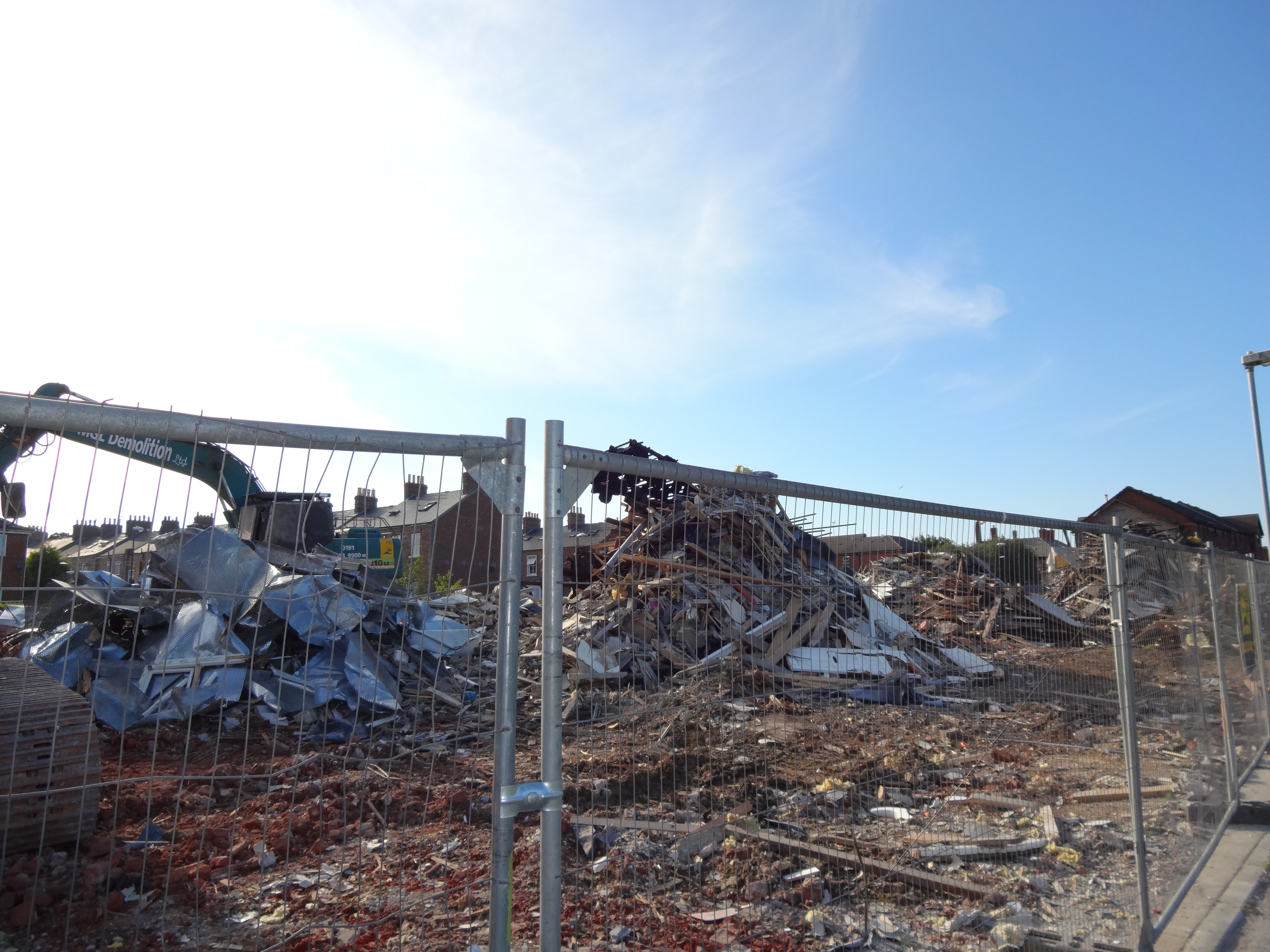
When I returned to Sunderland last year, I went to visit the old family house. It was been demolished along with a large part of the surrounding neighbourhood. It appears that this is in microcosm , what is happening to a lot of the UK. It is also a good example as to why the views on Thatcher and her legacy are mixed.

 billrider2013