A Visit to Australia House

AHC London

On Friday I went into Australia House to meet with an erstwhile Department of Foreign Affairs colleague.  She is in her final year of a posting to the High Commission (HC).   For my non Commonwealth readers, HCs are embassies in British Commonwealth nations.

Australia House

I have a number of memories of Australia House dating back to my first visit in 1966. Australia House is a very prominent building in the Strand.  It is like a big ship heading down the street.

Met my ex colleague in the main entrance and we made our way into the building.  Embassies and High Commissions have always had high level of security, even before 9/11, and the London and Bali bombings.  It is now extreme.  Australia House is no exception.  It is such a pity what the terrorist have managed to do the architecture of parts of such a beautiful building.  Large electronic security doors do not mix well with classic architecture.

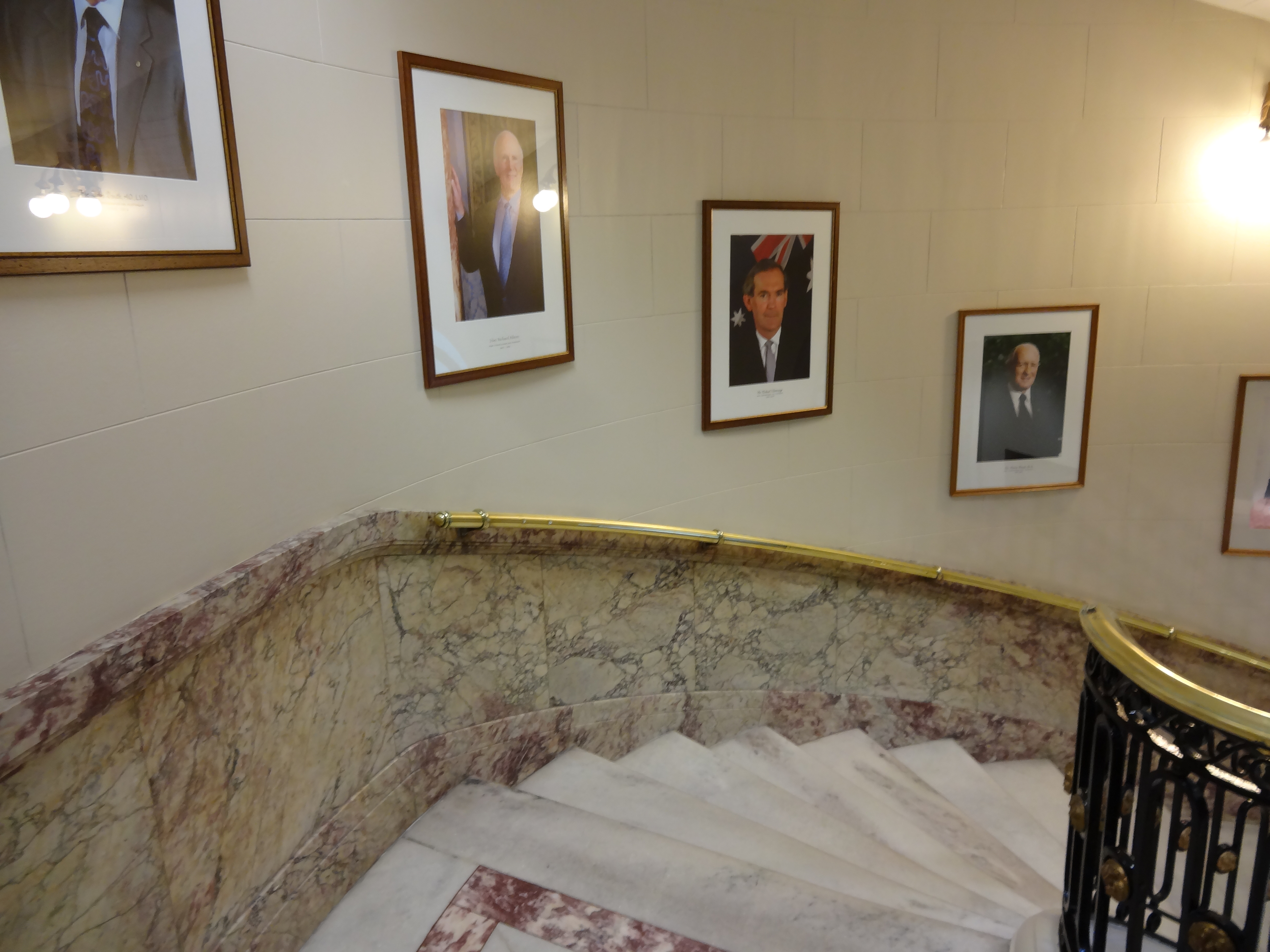
A feature of Australia House is the spiral staircase.  Check out the photographs at the Flickr link below.

The Days of Newspapers Reading Rooms

We went into the ball room of which is located at on the ground floor.  For many years this large space was used as the newspaper reading room.   All the Australian Newspapers – Sydney Morning Herald, the Melbourne Age, Canberra Times etc. were laid out on large tables.  Tourists and others wishing to catch up on Australian news would come to the reading room.  It was, as I recall, a great social interaction for tourists and ex-pat Aussies and locals interested in Australian affairs.

Nowadays, of course, there is no need for newspaper reading rooms.   Everyone, anywhere can access news, including via newspapers from anywhere via the internet.

Politicians make goods High Commissioners Ambassadors

As we wandered around we ran into Mike Rann the current High Commissioner.  Rann is a former Premier of South Australia.  He one of a long line of former politicians appointed as High Commissioner in London.  In fact it is the rule, rather than the exception for the top job to go to a politician as opposed to  a career diplomat.  An exception was his predecessor, John Dauth who was a long term career diplomat.

There is often a lot of criticism of the appointment of ex-politicians to senior diplomatic posts.  Both sides of politics do it.  I had limited exposure to such people when I was in Foreign Affairs.  However, it would appear that on the whole most of these people do excellent jobs.  They are supported by the government of the day, irrespective of which side of politics made the original appointment. It would appear the most have the skills and experience for the role.  In many respects they are far more qualified for the top jobs than the career diplomats.

Flickr Link
http://flic.kr/s/aHsjFSCi6y
Back in London

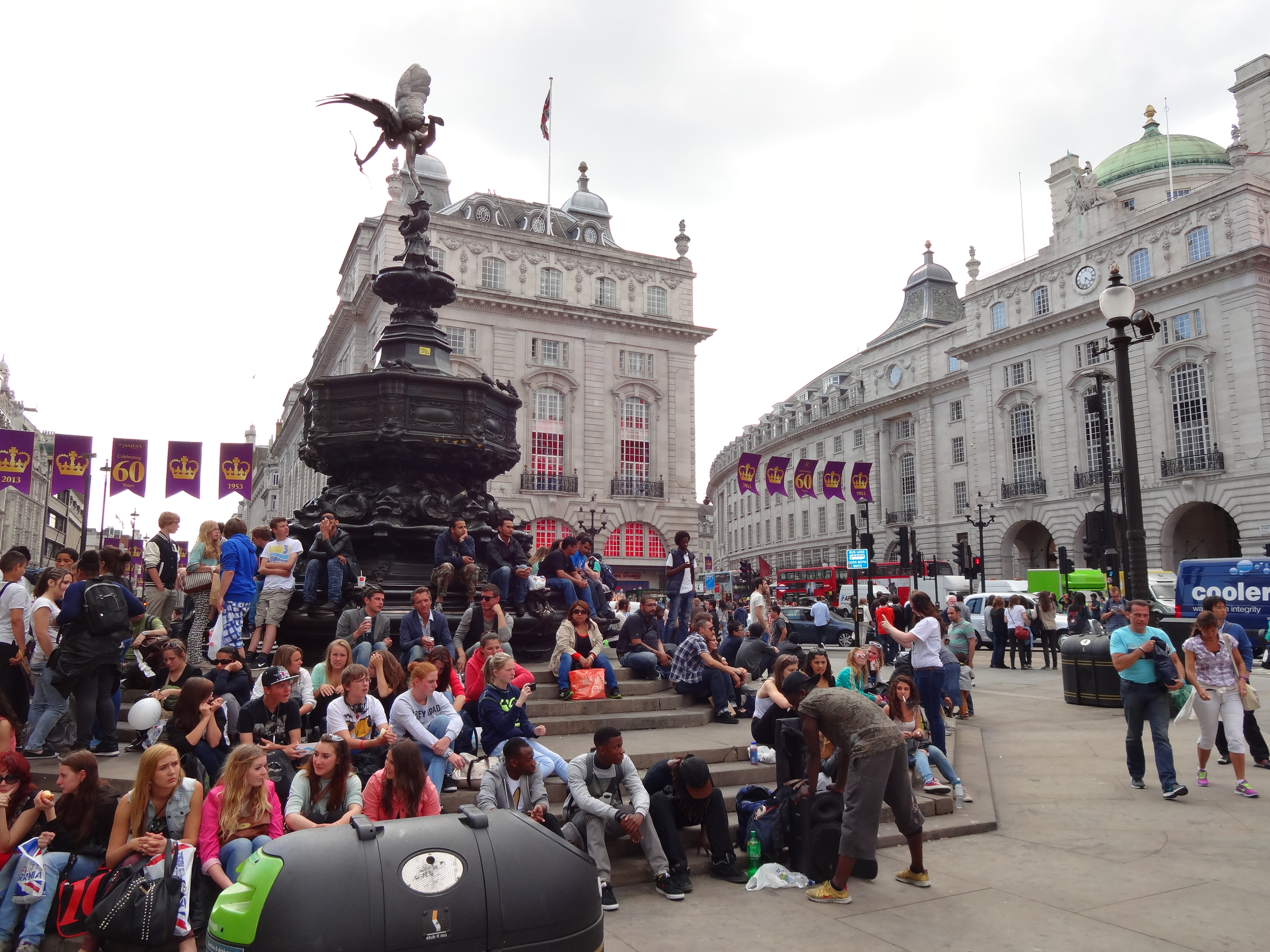
Piccadilly Circus.  The centre of the Universe?
Piccadilly Circus. The centre of the Universe?

I arrived back in London on Wednesday morning.  This time I left my bike at the airport and made my way to South West London by the Tube.  This may seem to be an irrelevant piece of information.  The reason I make note of this is that last year my plan was to ride from LHR to SW18.  I unpacked my bike and donned by ride gear.  When I emerged from the arrivals area I was greeted by hosted doubled up in fits of laughter.  He found it extremely amusing to see me coming off the plan in such a state.  He dined out on that story for many months- in fact he is still talking about it.

Best Croissants

I arrived in SW18 and headed straight to the French Patisserie near the station to buy three croissants – one for me and two for my hosts.  I am serious creature of habit.  It is great shop.  The staff insist on speaking in French.  Most of their customers oblige.  My conversation with them is very limited.  I have say however, that their pastries are sensational.  If they were to move to Balmain, Adriano Zumbo would have serious competition.

Hosts Briefed on Preventing Overstays

I then descended on my hosts.  They have been well briefed by my Canberra host, who in turned has been advised by my Balmain host, as to my propensity to stay longer than planned.  They seem not to have got the message, having refurbished the guest bathroom just in time for my arrival.  It has made to place even more desirable.

Watching the State of Origin

 After a quick shower, I was off the Slug in Wimbeldon to watch the State of Origin (SoS) game being broadcast from the Olympic Stadium in Sydney.  To my horror, they were not showing the game.  Apparently, Sky (i.e. Murdoch) charges pubs exorbitant fees to show live sport.  My host later advised me that this part of their cunning plan to force people to subscribe to pay TV.  Bad move Rupert- big games  like the SoS and Rugby Test Matches are best watched in pubs.   As an Australian (albeit lapsed) you should know that.

The game was being shown at the Slug in Fulham.  I made it there to see the start of the second half with NSW leading 14-0.  The other customers were mainly Queensland supporters all decked out in maroon jerseys.  Why is that they are so keen on advertising their allegiance?  Two years ago when I was in Hong Kong at the time of game three, I was confronted with the same spectacle – about 50/50 NSW and Queensland supporters, but 90% of the ‘cane toads’ in maroon. 

It was so good to see NSW win.

South Kensington

After the game I took the tube to South Kensington.  This is special place for me.  At this stage all I will say is that it is an excellent example as why London is such a great city.  That area is all medium high rise – 4 to 6 story terrace houses.  A good example is Sumner Place.  The buildings are used for many purposes.  In the same street you will find: a hotel with say 20 rooms, five large flats, up to 10 one bed room flats, all using the same basic structure.  You will also the see occasional terrace that is owned and occupied by on family –  all five levels.  These houses are worth several million.  The key point is that all these dwellings are close.  The various people that live in the different dwellings socialize to some extent.  They do not live miles apart as similar people do in other cities.  The physical infrastructure  in streets like Sumner Place encourages social cohesion.  It is not perfect but it works.

I walked from Sth Ken to Knightsbridge and walked through Harrods.  I once heard the actor, Richard Burton say that you see the most beautiful women in the world in Hans Crescent which is on the eastern side of Harrods.  Dick you are so right – wherever you are.

Centre of the World?

I then made my way up to Piccadilly Circus – possibly still the centre of the world.


Flickr Link to More Photos

  http://flic.kr/s/aHsjFRPsec

Heading to London

I am finally able to leave Sydney and get on with my life. My immediate plan is to return to London and spend the northern summer in the UK and Europe.

I spent most of the northern summer in the UK and Europe last year on long service leave. It was my first visit to England since my Foreign Affairs days in the late 1980’s. I was able to base myself with an old mate from school. He lives in South West London, not far from the All England Tennis Club in Wimbledon. He is married to an English girl who, up until early this year, lived and worked in Belgium. They saw each other each weekend, either in London, Belgium or elsewhere in Europe – a very interesting arrangement.

It was a great time to be in London. The Queen’s Jubilee, Wimbledon and of course the Olympics. Thanks to my mate’s generous wife I was able to go to Wimbledon.

I also got to go to the Olympic Opening Ceremony celebrations at Hyde Park Corner and the Boxing at the dockland conference centre. One of the highlights was watching the cycling time trial at Hampton Wick. Bradley Wiggins won the event and signaled the start of an avalanche of medals for Team GB.

One of the first things I did in London was to catch up with an old mate that I met when I was first in London in 1977-79. He was one a group of blokes I met in a pub called the St James near Piccadilly Circus. The initial connection was a Swedish girl and her friends that were working as Au Pairs. I met up with him again in 1982 and was privileged to be at his wedding. It was great to meet up after all those years. As is the case with all good friends, speaking to my mate and his wife was so easy. It was as though the intervening period was merely months, not years.

Tragically my mate has cancer. In June, I joined him and a group of his friends on the London to Brighton charity ride. Through his great courage and strength he was able to complete the ride – a great effort. Late last year he had to go through more harsh treatment, including chemotherapy.

Unfortunately, my mate has had a relapse and is again fighting the cancer. It seems that he will not be able to join the London to Brighton ride this year. I will be privileged to take his place.

Wimbeldon

Flickr Link

http://flic.kr/s/aHsjB6yaAh

Brisbane (a great place)

I was in Brisbane last week.  My flight to London is booked and it appears that the property settlement is finalised.  My dealings with the Family Lawyers have not finished.

The main reason to come to Brisbane was to see my aunt who is the ripe old age of 96.  She was married to my mother’s brother who died some years ago.   My mother and my aunt were very close.  They were born within two months of each other and in many ways shared the same experiences.

Naturally they grew up in Australia at the same time.  My aunt grew up in rural South Australia.  My mother spent much of her youth in rural Victoria.

They were married to airmen in WWII.  Tragically, both their husbands were killed in the war.  My mother’s husband was shot down over Darwin in the first Japanese air raid in February 1942.  My aunt’s husband was killed when his plane came down in the Papua New Guinea highlands.

After the war both my aunt and mother trained as nurses.  They both married returned servicemen: my aunt married an Australian Airman and my mother an English soldier.  My aunt’s husband returned to University after the war and became a leading medical scientist.

My aunt had four children – one daughter and three sons.  The daughter became a teacher and the three sons all became doctors.

The oldest brother and his wife have been particularly supportive in my recent dealings with family issues.   He has also improved my diet, introducing me to new grains to add to muesli.  This is very important if you are predisposed to bowel cancer as I am.

As a child I came up to Brisbane often.  I have vivid memories of staying at my Grandpa’ s house and walking down the hill, turning right to my cousin’s house.  It seemed to be so hot and humid: probably not surprising given the visits were usually in January.  I remember going to the Milton Courts to see the tennis.

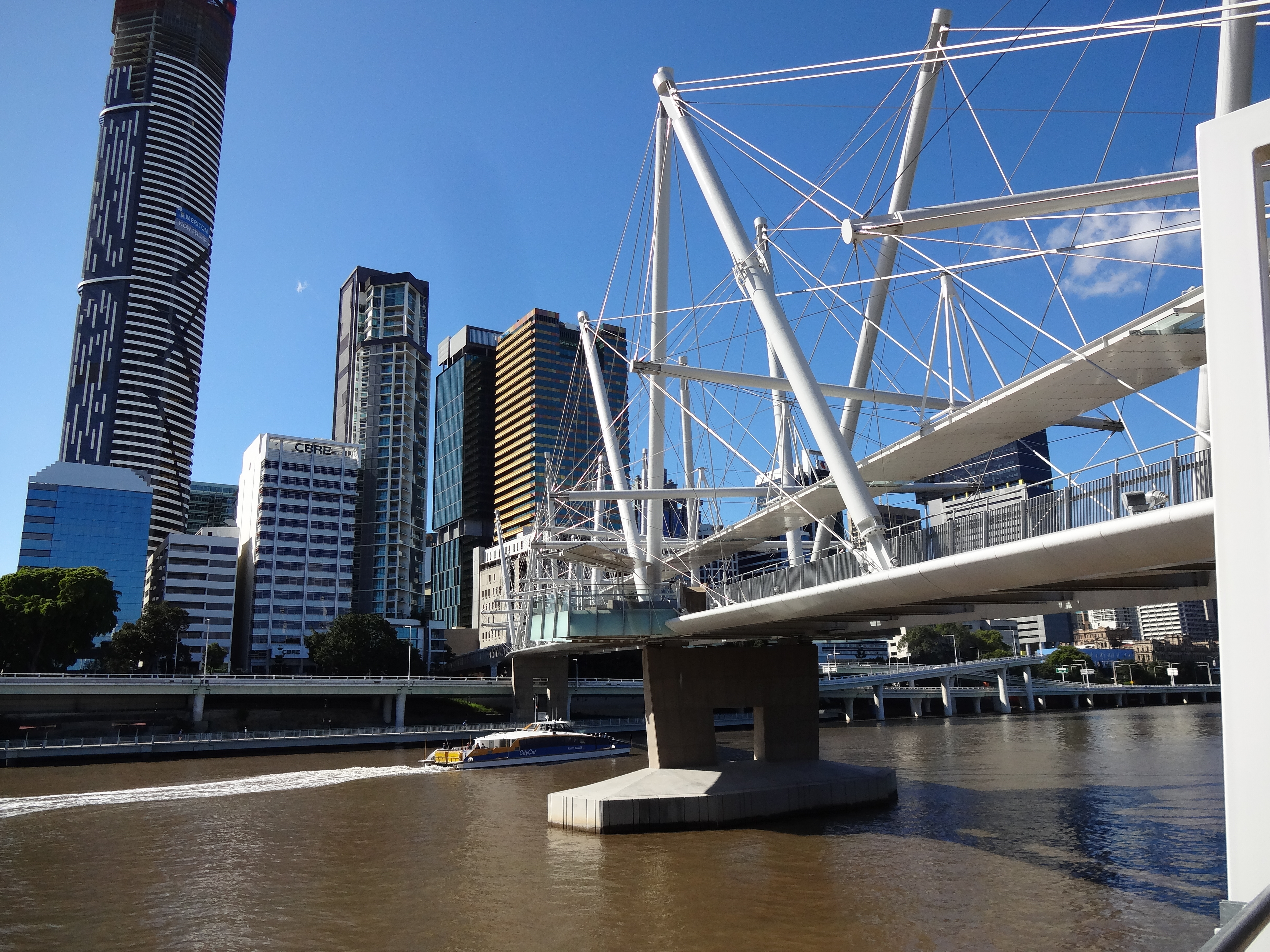
In later years I visited Brisbane for work.  These were short visits with limited opportunities to see the place, or indeed meet up with my relatives.   During this time Brisbane was still the subject of jokes: “it is just a big country town” and ” the Country Party Government corrupt” (certainly correct).  Over the years this certainly changed.  It is now a vibrant city with all you would expect of a great city.

I have friends that have moved here and love the place.  I can see why.  One is a girl that I knew at school and the other is girl with an unusual name, that I have mentioned before. They are both very settled here with family and friends.

One last comment:  Brisbane is partially bike friendly, at least in the CDB and on the river.

A number of reasons to consider this city as a place to live.

Brisbane CBD from Southbank


Flickr Link

http://flic.kr/s/aHsjFCR2vr


Balmoral

I am still in Sydney.  I have taken the opportunity to do some sightseeing and visiting some special places.

A very special place for me is Balmoral Beach in Mosman.

My Aunt Mary lived in Balmoral and Mosman from 1935 until her death in 1990.  She  emigrated to Sydney from the North East of England with my Uncle who was  a Naval Engineer.  In those days there must of been very little thought of anything other staying or a permanent return home.

The story goes that my Aunt and Uncle first moved to Hurstville.  My Aunt described this a as being in the ‘bush’.   She was very homesick.   She apparently met another English girl when I Uncle was away at sea.  The girl  told her of a really nice beach on the harbour.  She offered to take  her there.  That beach was Balmoral.

When my Uncle returned, my Aunt told him that if he didn’t find a place for them to live in Balmoral, she would return to England.  He found them a place to rent in Almora Street not far from the beach.

My Dad serviced in the British Army in WWII.  He was a Prisoner of War (POW) after being captured by the Japanese in Singapore.  After being forced to work on the Thai- Burma Railway and then in Japan he returned to England to find that his parents had died.  He was repatriated to his next of kin. That person was  his oldest sibling, my Aunt in Sydney.

My Dad often talked about the first time he saw Balmoral Beach.  He said he felt that he “had landed in heaven”.  He lived with my Aunt and Uncle in the small timber house in Almora Street for  two years while he recovered from his wartime injuries and got his life back together.

With the encouragement of my Aunt, Dad decided to join the local cricket team.  In those days Mosman did not have a grade team.  The nearest team was North Sydney.

The story goes that Dad went to the first pre-season practice and announced that he was a fast bowler and batsman.   He bowled and batted in the nets and was asked to come back for the next practise.

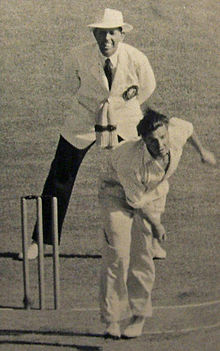
When he  was batting in the second practise, a bowler who had not seen at the first practise came into to bowl at him.  Dad’s recollection was that the first time he saw the ball was when he picked it up at the back of the net.  After 15 minutes of this bloke bowling at him, he was “battered and bruised”.  As he left the net the mystery bowler introduced himself:  “the name in Miller, Keith Miller”.   The story goes that Dad decided on that day to concentrate on tennis.

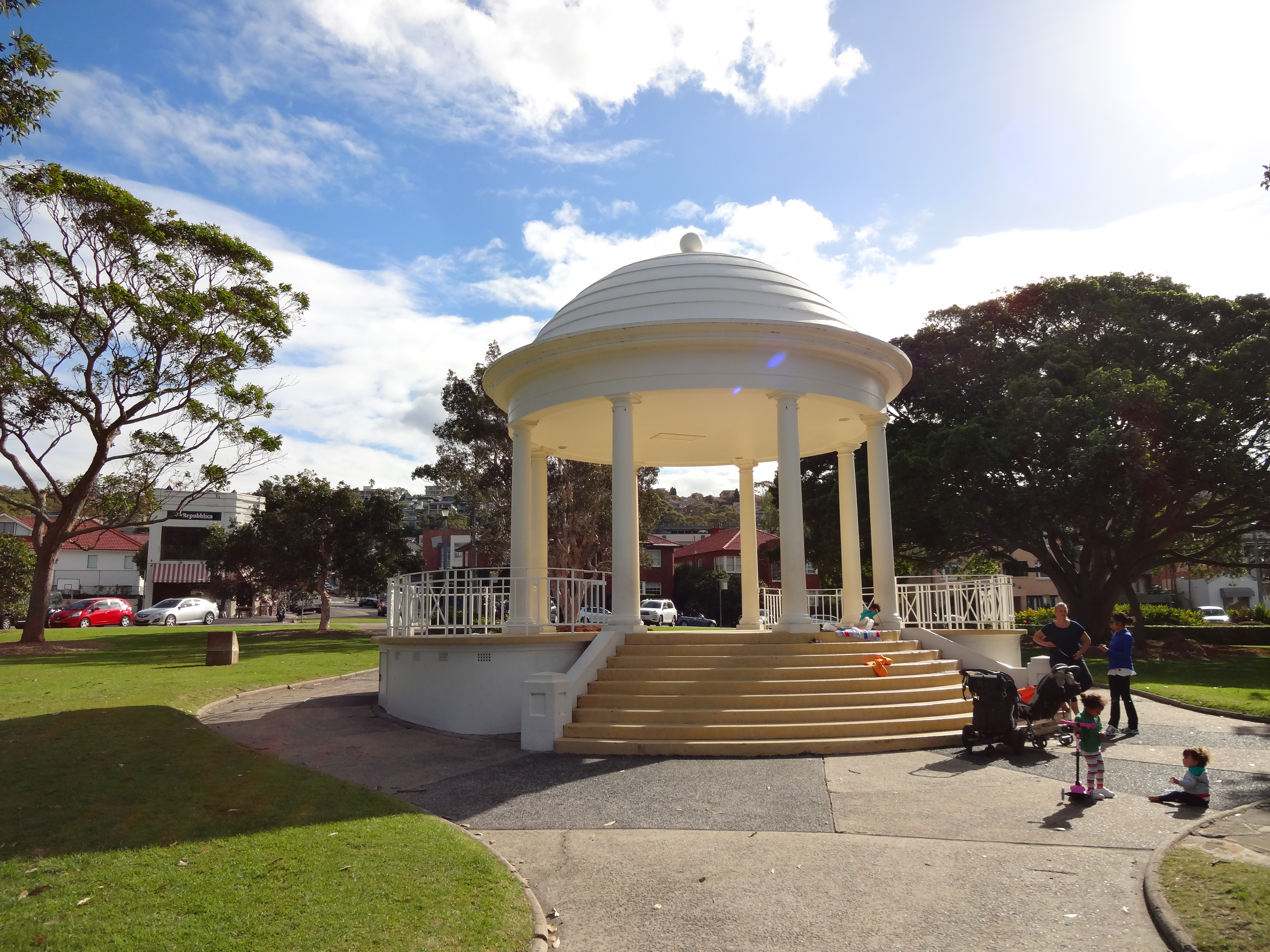
My first recollections of Balmoral were when I was about five or six.  By this time by Aunt and Uncle had moved from Almora Street, up the hill to Arbutus Street.  They lived in a house with a great view across to Manly and the heads.  I can recall spending many days walking down the  steps to the beach and the ‘island’ opposite the Rotunda near the Bather’s Pavilion.

When I moved to Sydney in 1988, I decided to live in Mosman.   I re-acquainted  myself with Balmoral Beach.  Later I spent many days at the beach with my daughter.

Last week I when back to Balmoral to see the old house in Almora Street.  It is still there surrounded by modern houses and apartments.  There was builders sign outside, bearing the name of Andrew Wilkinson.  No relation, but ironic.

I walked to the back of house where the builders were working.  They told me that the owner was in.  The owner, a middle aged woman appeared and we had a chat.  She was interest in my story about my Aunt’s time in the house.  She has decide to do a ‘minimalist’ renovation to the house rather than demolishing it and building something new.  That is great.

Keith Miller
Keith Miller
Rotunda Balmoral Beach

Flickr Link

http://flic.kr/s/aHsjEWwJmk

In Praise of Trams

I am still in Sydney.  However, my departure is imminent.

A few days ago I had a chance meeting with an old colleague from my days at Caltex Oil Australia. She gave me the details of other colleagues. I have taken the opportunity to meet up with a couple of them.

Last night met up with one of my ex Caltex colleagues in pub in Surry Hills, a suburb which close to the Sydney CBD.  The pub is on Devonshire Street.  This street has been earmarked as part of the route for the Eastern Suburbs Light Rail (tram).

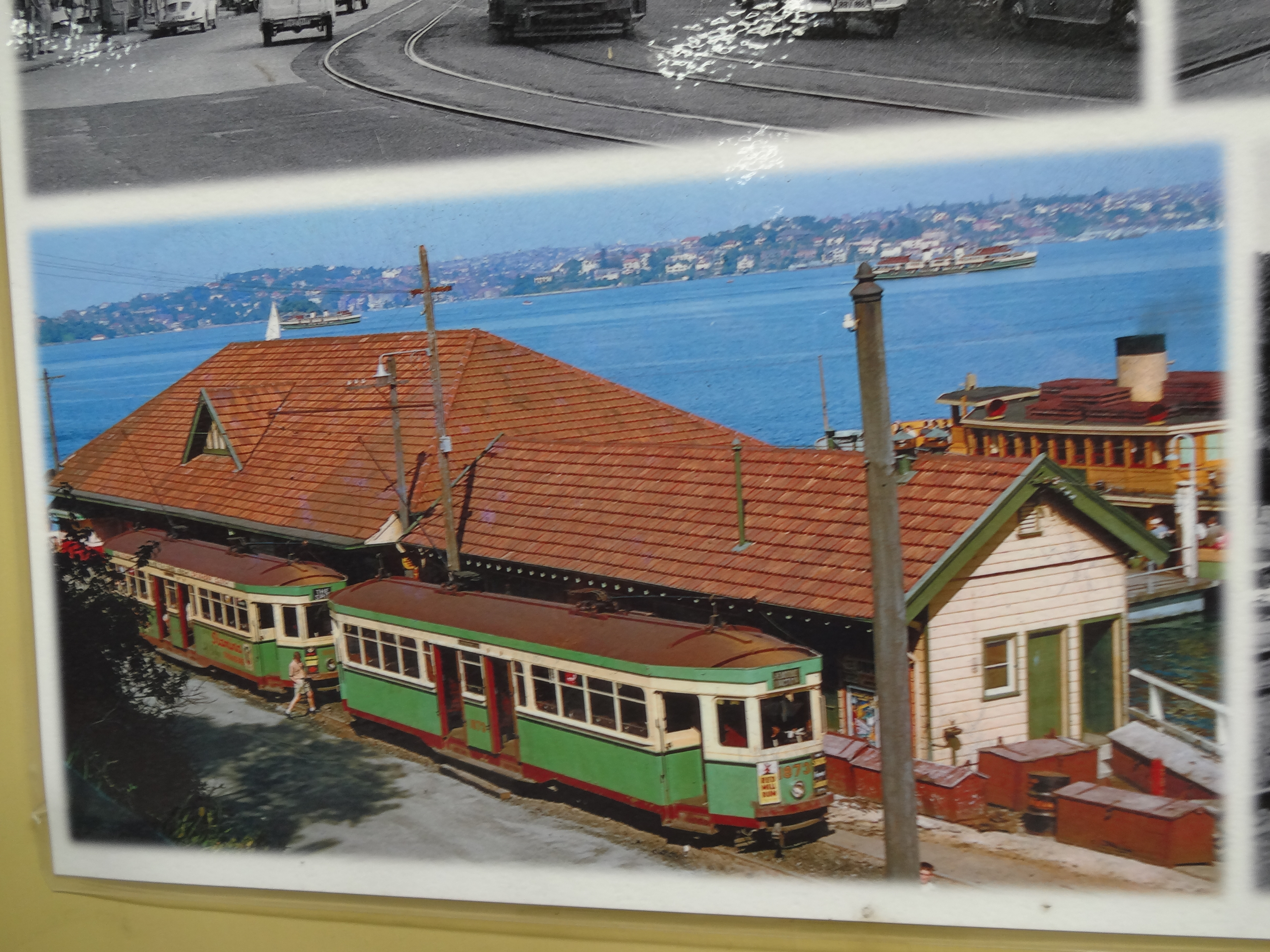
Like many cities, Sydney had an extensive tram system in 20th century.  It is claimed it was second only to London’s in tack length.  It covered the inner city and extended to the coast (Bondi Beach) in the eastern suburbs, through the lower north shore (Mosman, Balmoral and Cremorne) and up the Northern Beaches to Narrabeen.

Also like many cities, Los Angeles being another classis example, Sydney ripped up its tram network.  The network was closed in 1961.  The prevailing view was that the city’s transport needs would be better met by the car and buses.  How short sighted that proved to be.

A classic example of the failure of the car and bus based transport  solution is George Street.  This is the main street running from the west of the CBD to Circular Quay on the harbour.  It is the route that takes the buses from the west into the CBD, and the buses travelling from southern part of the CDB, over the bridge to the north shore.  It is also used by hundreds of taxis and cars.  At the best of times the traffic on the street is slow.  At the worst of times the traffic barely moves at walking pace.  The worst time is Friday after 5.00 pm, when the street suffers the classic’ grid lock’.  Buses and car approach the intersection at the Town Hall often have to wait through 3 or 4 traffic light cycles before crossing Park Street.  It is a farce.

The George Street problem has finally prompted to Government take some action.  The solution:  surprise, surprise – is a tram network.  The CDB and South East Light Rail will run down George Street and out through Surry Hills past the Sydney Football Stadium and Cricket Ground.   It will be fantastic.

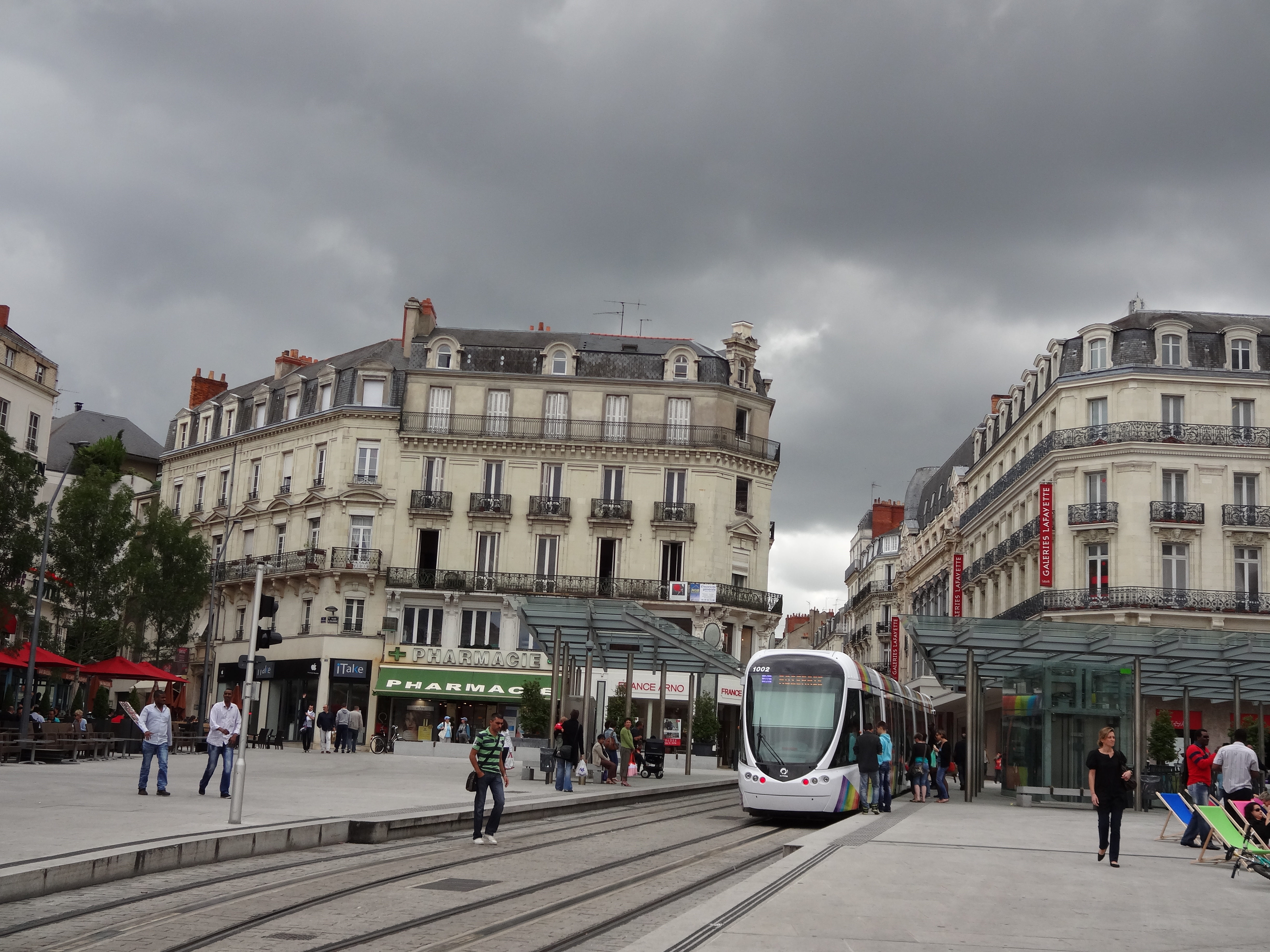
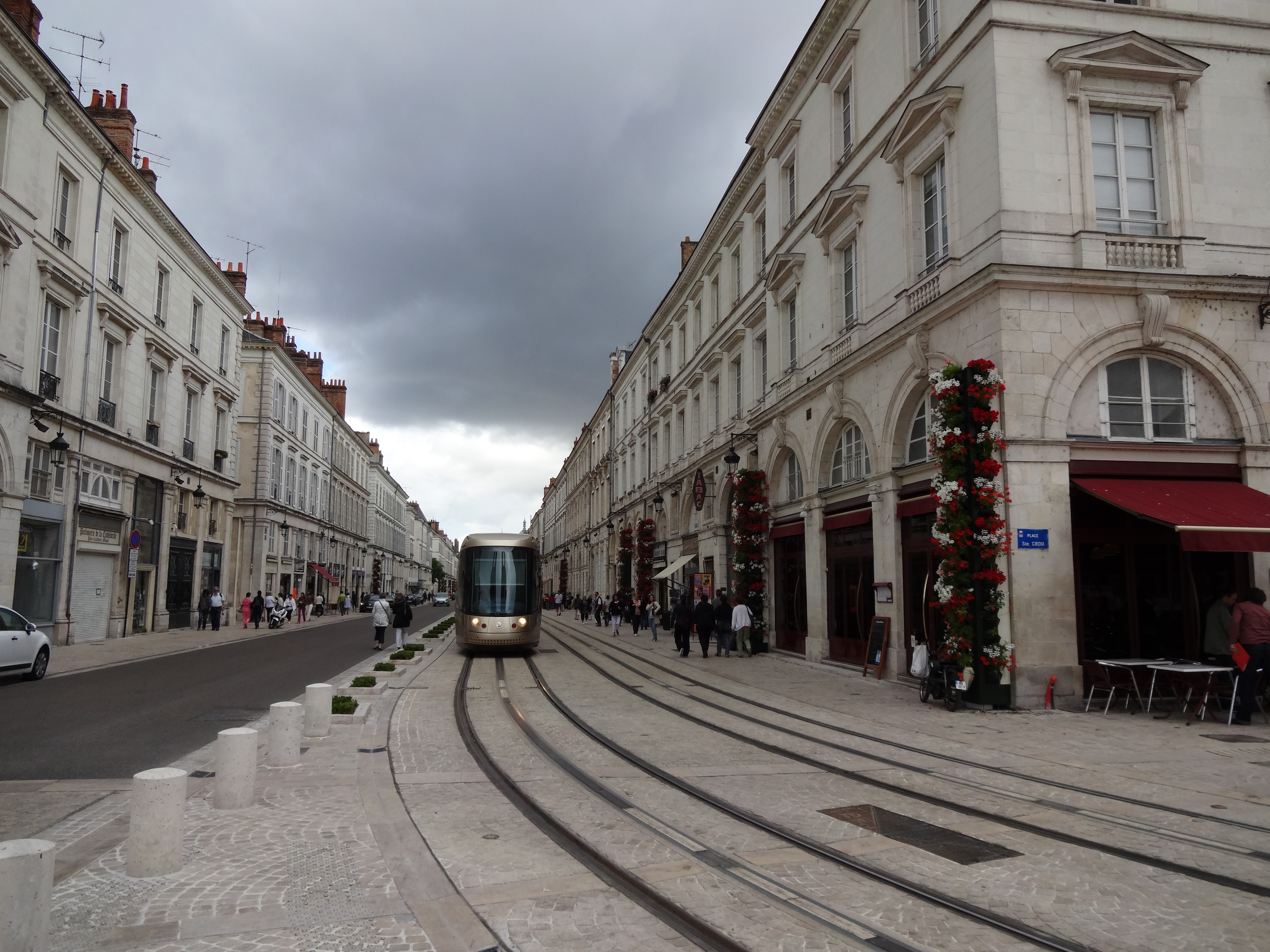
In my travels I have seen many tams systems.  Few are better than Melbourne’s.  How clever was that city in deciding to retain and develop its network?  Other good examples are of course found in Europe.  Lisbon, and most German cities, being good examples.   Other examples I have seen recently were in provincial cities in France: Orleans and Angers in the Loire Valley being case in point.

Some residents of Devonshire  Street are objecting to tram route passing through their street.  It is good that their objections are being heard, but that is all.

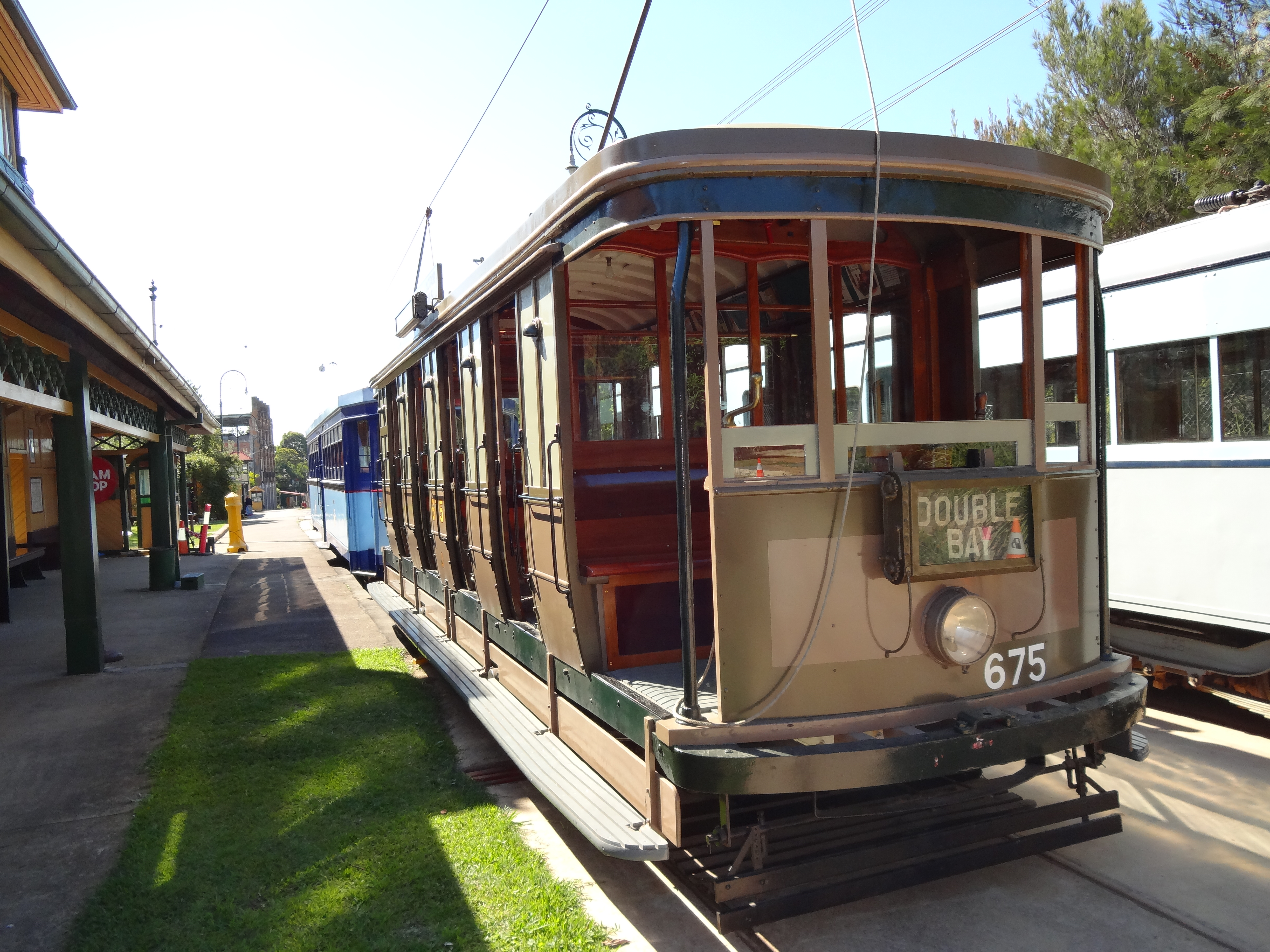
There is a tram museum at Loftus in Sydney’s south.  It is worth a visit.

Lets’ hope that the’ new tram’ network is extended and some of the old routes, including the lower north shore are re-established.

New Tram Route

http://www.transport.nsw.gov.au/lightrail-program/cbd-and-south-east-light-rail

Tram Museum

http://sydneytramwaymuseum.com.au/


Photos

Old Sydney Tram at the Tram Museum Loftus


Shot of photo of Tram at Cremorne Point.


Tram Angers
Tram Angers


Tram Orleans
Tram Orleans


Golf – Adam Scott wins the US Masters. Remembering Yass GC, Greg Norman and Tiger Woods

I am still stranded in Sydney.  This has not been a bad thing.

I was going to post about golf last Monday when Adam Scott won the US Masters.  As has been highlighted, he is first Australian to win that ‘Major ‘golf tournament.  The fact that no Australian has won that particular tournament before has been one of sporting’s great mysteries for some time.

Australian Comparative Advantage

Australians have always ‘punched over their weight’ for ever in international sport.  That expression related to the fact on a simple population basis more Australians have won more international sporting competitions, including golf tournaments,  than any other country than any other country .  This has also applied to many sports, including swimming, tennis and cycling.  The others are of course, cricket and rugby union.

The ratio of sporting wins to the population of a country is a nonsense measure.  The real measure that should be used is the number of people playing a particular sport compared to the international success. For Australia, an obvious example is swimming: virtually every child in Australia swims.  Even the population of the country is small relative to other countries (even compared to other countries such as the USA, UK etc), the number of regular swimmers is high relative to the rest of the world.

Another example of a disproportionate participation rate relative to population is the game of golf.  There are golf courses every in Australia.  If you want to play you can and it is relatively cheap.  This is particularly the case in the country towns.

Yass Golf Course

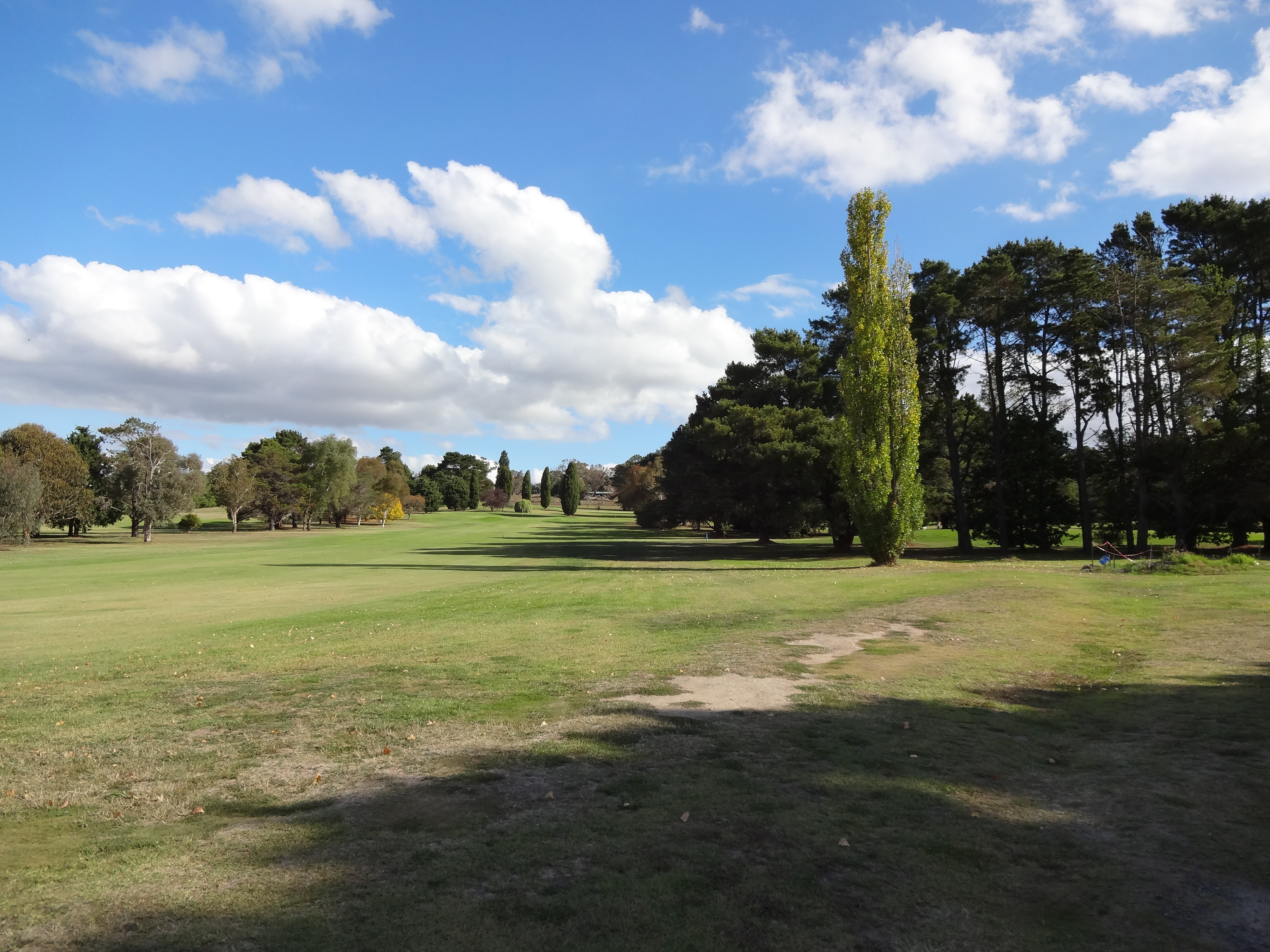
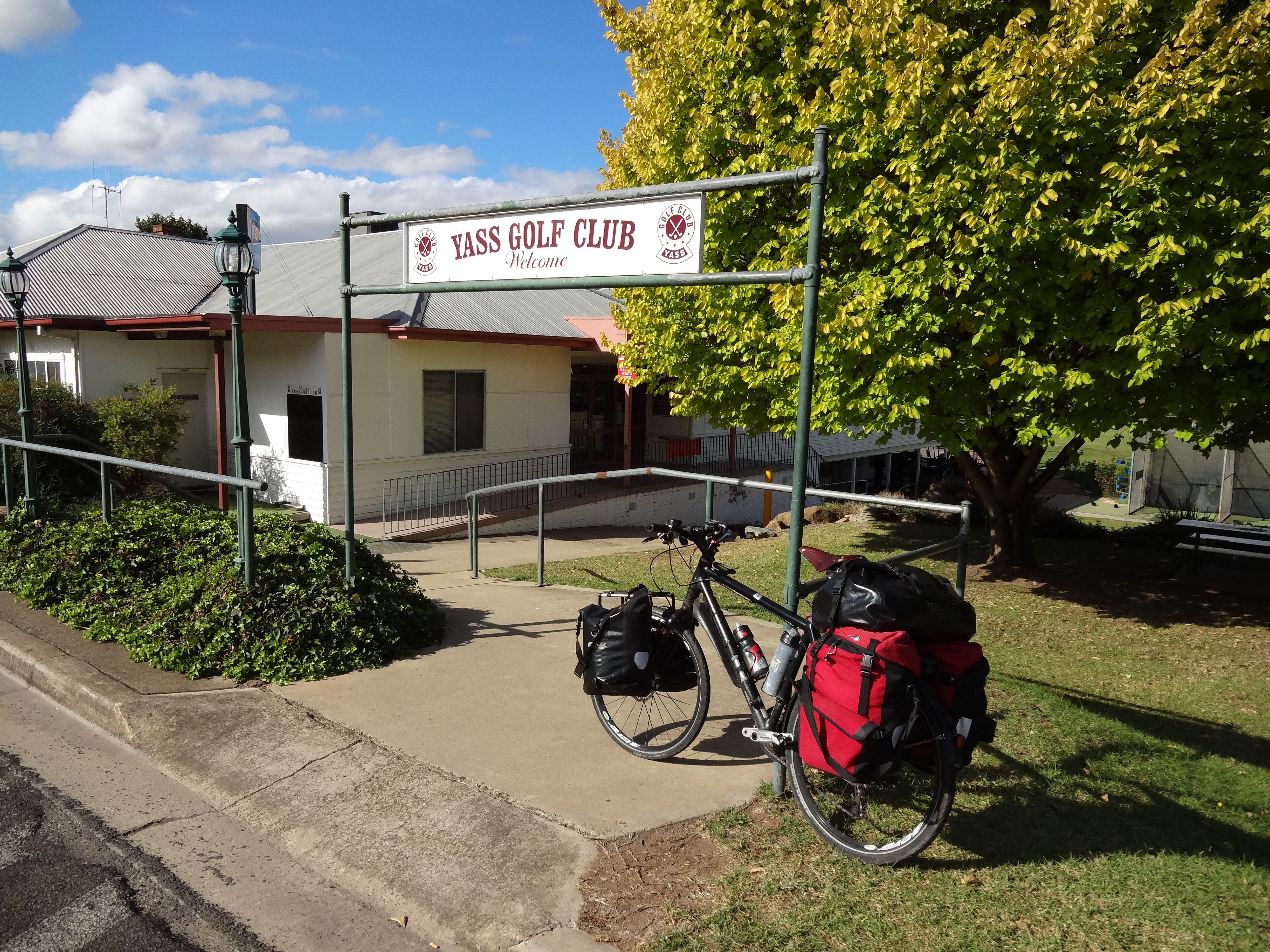
This brings me back to may ride from Canberra.  It took me through Yass.  Yass is a quintessential Australian country town.  It is has been prosperous for years.  Its wealth was, and  as still is, based on  the wool industry.  Like virtually all country towns it has a golf course.  I know the course well.  When I was young I played the course with my Dad.

When I turned 18 used travel to Yass with my mates.  Initially we took our parents cars.  In my case it was a Triumph that my Dad had bought from tennis mate who was a Diplomat  at the British High Commission.  Quite stupidly I did not observe the speed limits on the trips to and from Yass – 100 mph (160 kph) was not uncommon.  Fortunately I am still here to write this and the passengers are still around to read it (if they can be bothered).

The course at Yass looks almost exactly as I remember it from over 40 years ago.

Greg Norman

Getting back to the US Masters: the most famous Australian loss was in 1996 when Greg Norman blew a 6 stroke lead to lose.  Refer to the link below.

Norman is example of what Australia can produce as sports person.  He was brought up in Mt Isa, country Queensland, and had access to a golf course.

I have two memories of seeing Norman playing live.  The first was in (I think 1984) t Royal Canberra.  It was that Australia v Japan Cup (played by the top Australian and Japanese golfers).  Norman was just of his way up in the international scene.  The 18th at Royal is 535 metres.  There is a big dip around the 320 metres mark.  To clear the dip required a drive of 350 metres plus.  Virtually none of the players could think about getting anywhere near the dip.  If they did, they laid up before the dip and played two more shots to the green.

In the round I saw Norman play, he hit his first shot over the dip – ta least 350 metres.  It was an awesome drive.  I have never r seen a ball fly so high and so far.  The sound when he hit the ball was amazing.  The gallery were simply stunned.  He was left with a simple 9 iron to the green and regulation two putt for a birdie. He was playing a different game to all the other players.

Tiger Woods

The other memory of seeing Norman play was at the Australian Open in February 1996.  It was played at the Australian Course in Sydney.  By this time Norman was an international super star and the World No 1.  I went to the tournament with my journalist mate mentioned in other posts.  Most of the gallery was watching Norman.

My mate suggested we follow an American he had heard about.  He was playing a few groups ahead of Norman.  This player was not what I expected – a short skinning black guy.  We watched him play a couple of holes, including a long par 5.  He hit a monster drive on that hole.

We waited for Norman’s group to play the same hole.  Norman’s drive came up about 10 metres short of the skinny American’s drive.  My mate said: “I think that Tiger Woods guy will go far”.

Good call TR.

Norman won that Australian Open.  He tragically lost the US Masters in April of that year.

Greg Norman
Greg Norman
Yass Golf Course.  Nothing seems to have changed in 40 years.
Yass Golf Course. Nothing seems to have changed in 40 years.
Yass Golf Club 2
Yass Golf Club 2

How Good was Greg Norman?

http://www.ausgolf.com.au/greg-norman

1996 Masters

http://www.golf.com/special-features/normans-collapse-paves-way-faldo

Watching Rugby League at the SCG

I appear to be stranded in Sydney waiting for my bike to be repaired and the sorting out of  some personal stuff.  Yesterday I decided to go to the Sydney Cricket Ground to watch a Rugby League game.

The weekend’s round was named the ‘Heritage Round’, celebrating the history of the game.  Part of the celebrations the game between St George Illawarra (the Saints and formerly known as the simply St George) and West Tigers (formerly known as the Balmain Tigers)

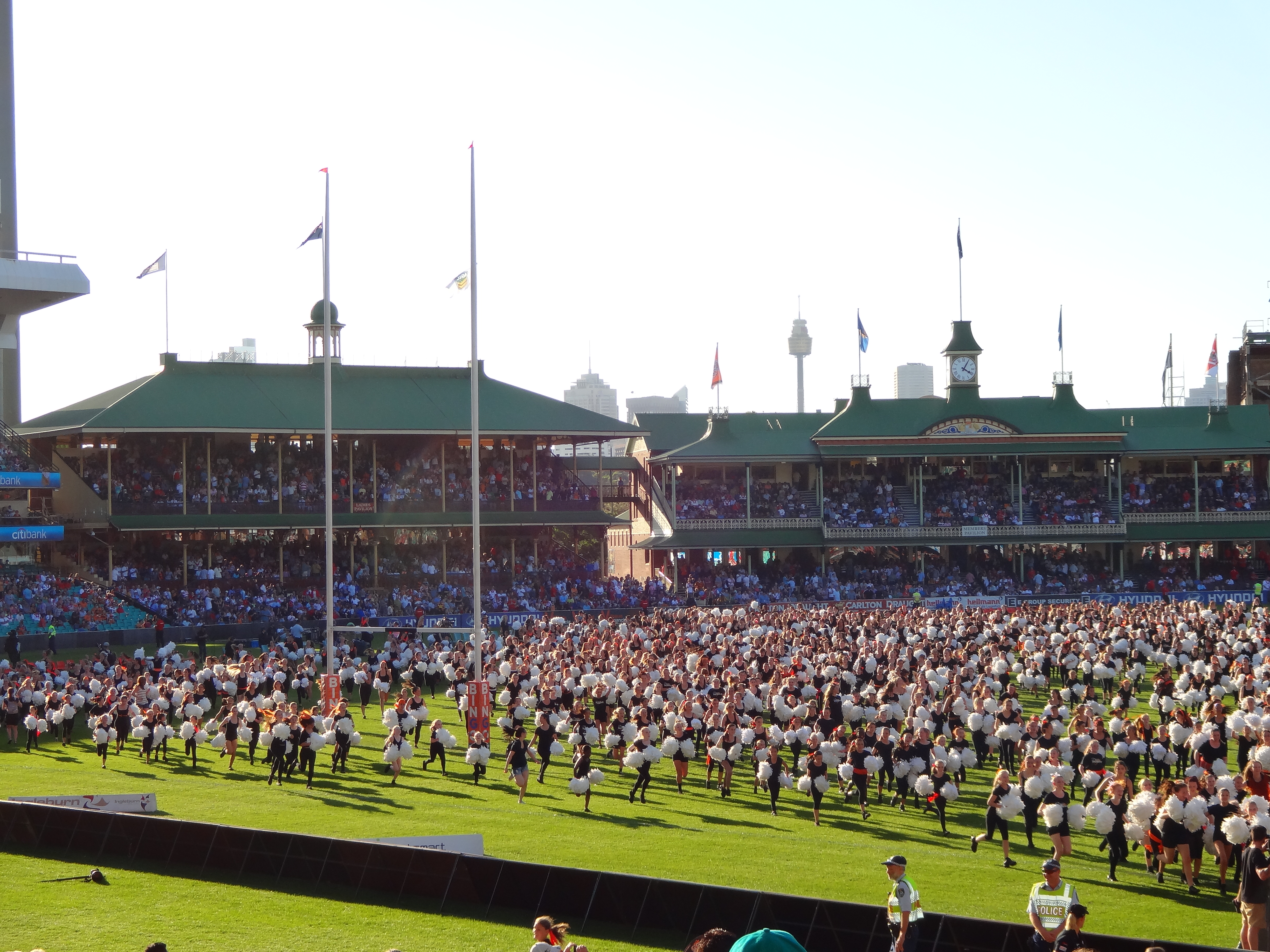
The game was played at the Sydney Cricket Ground (the SCG).  The ‘heritage’ bit of this was that Rugby league was played at the SCG up until 1987.  It is not usually played there now.  Up until 1987 it was usual practice for the match of the round to be played at the SCG on a Saturday afternoon.

Two things changed that; one was the construction of the Sydney Football Stadium which was designed for Rugby and Soccer, the other being the demand of TV which meant that big games were typically scheduled on Friday or Saturday night.

When I was growing up, the  only ‘comp’ was the Sydney Rugby League competition .   All the best players played for the Sydney teams.  St George is a very famous Rugby League team.  They won the premiership for 11 years straight from 1955 to 1966. For that reason, like heaps of other non -Sydney residents, I became a supporter of St George from the time I knew about Rugby League.

My Dad also supported the team, but am not sure why.  When we visited  Sydney we went to the football quite often.  If we did go it would typically be to the game of the round at the SCG.

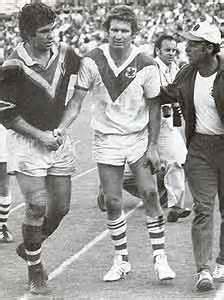
In the period after 1966, St George fell on relatively hard times ,in that they didn’t win any Premierships.  They went close in in 1974. That final is remembered by all League fans for the ‘white boots’ worn by ‘Changa’ Langlands.   Langlands was a great from the Saints 65 to 66 era.  In 1974 he was at the end of a great career.  He came into the game injured and was given a pain killing injection.  He was wearing white boots.  In that time wearing anything other than standard black boots  was unusual.. The injection affected Changa badly.  He had a shocker, The Saints were flogged 34-0 by Easts.

A memorable game I can recall seeing with my Dad was the St George v Newtown game on 12 May 1973.  The final score was 1-0 to Newtown.  The winning point was a field goal kicked by a bloke called Ken Wilson.  It is very rare for League games to involve only one score.  It has only occurred once in the top competition where  the scoring point was a field goal.

Watching the game on Sunday, I also called other times I had been to the SCG.  Most of these relate to cricket.  I will probably post about that sometime.

Another memory is going to a Wallabies v All Blacks Test Match at the SCG with a very attractive girl from Seattle in 1982.  She thought “the game was rough”.   She also liked the fact the there was “old and new” – referring  to the fact that the original Member’s Stand stood next to the newly built stands.

The score in the game I went to see on Sunday was 13-12 to St George.  The winning point was a field goal scored by a by a bloke called Soward.

A one point win to St George in 2013 and a one point loss in 1973.  Forty years have passed so fast.

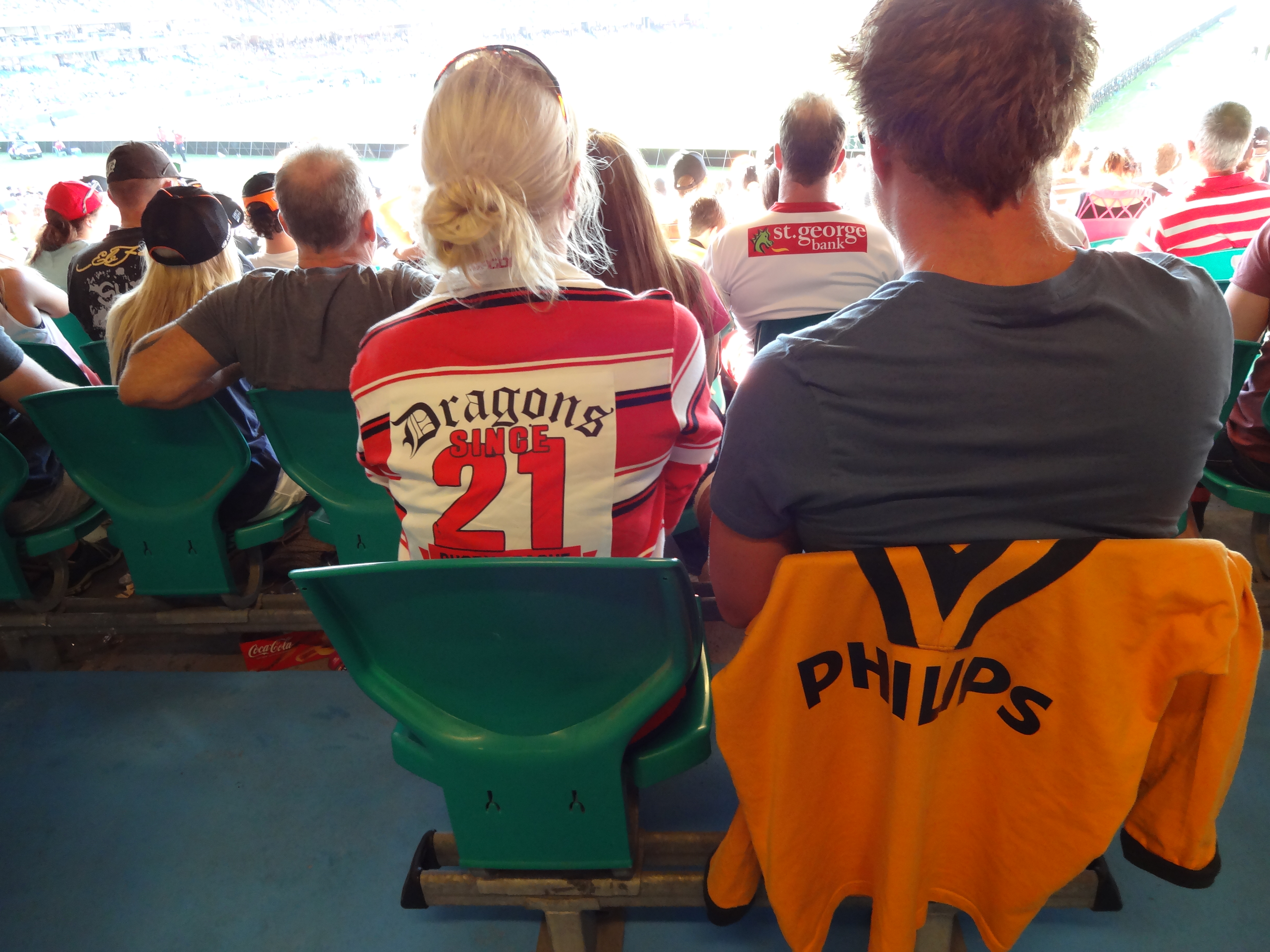
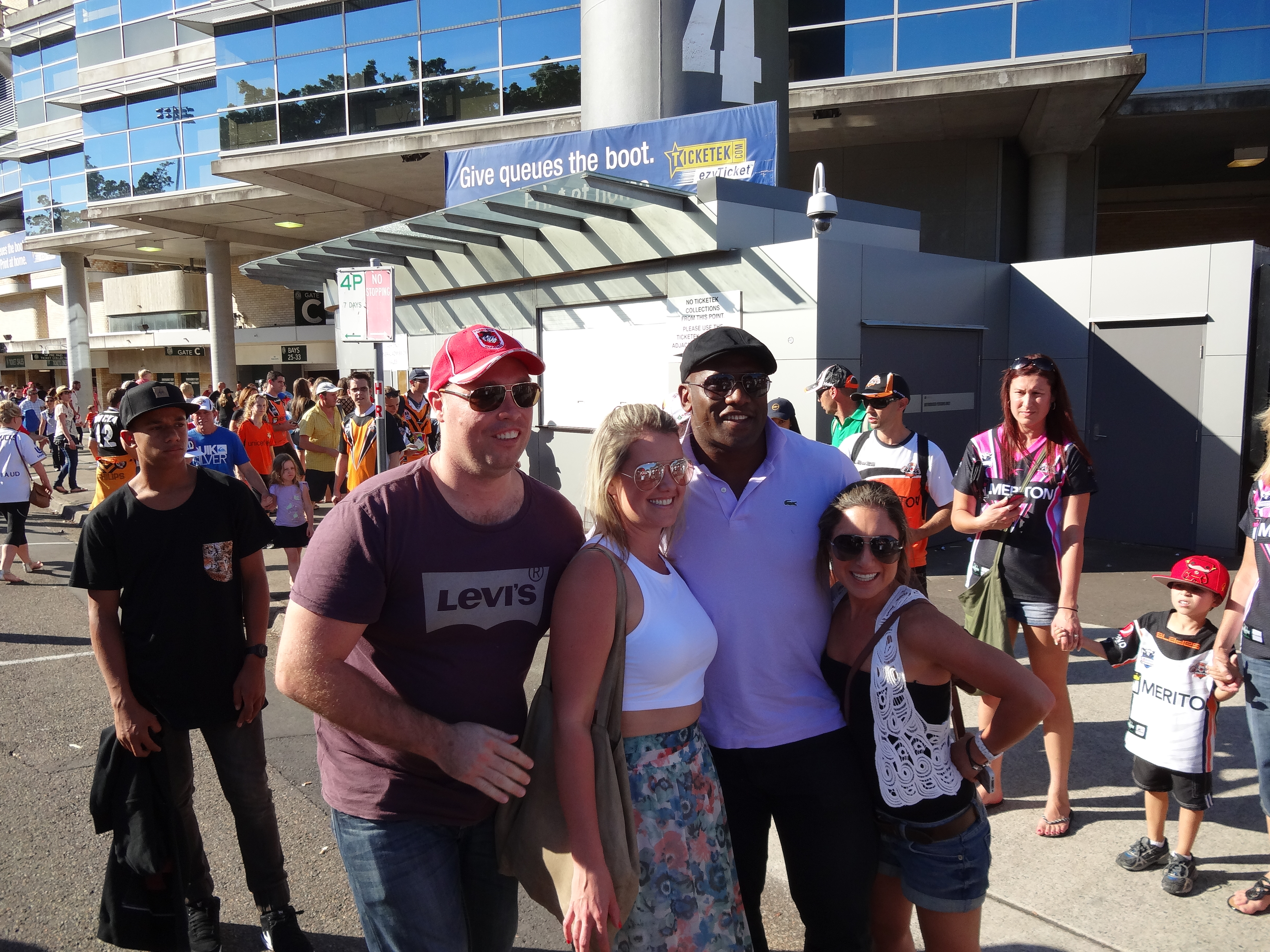
The most important comment I have to make on the game relates to the crowd: Just look at the photographs.  There are groups, and couples of opposing supporters together.  The banter between the two sides of supporters is always good humoured.  On the walk to Central Station all the supporters walk together and often stop off for a beer in pub.

One last thing, a funny comment (for some):  A Lecturer I had at university had this story:

There were two Churches, one Catholic and the other Anglican, opposite each other on a road in Kogarah, the main suburb where St George supporters live.  They both had Notice Boards.  Their practice was to put up comments and slogans to which the other would comment.

One day the Catholic Church posted this on its Notice Board:

“What would you do if Jesus came back to Earth?

On the other side of the road, the Anglican Church responded on its Notice Board:

“We would move Changa from Fullback back to Outside Centre”

Changa's white boots.
Changa’s white boots.

Mass dancing at half time at the St George v Tigers game at the SCG

Mixed marriage - Saints and Tigers supporters.
Mixed marriage – Saints and Tigers supporters.
Ex St George, Brisbane, Queensland and Australian Rugby League representative, Wendell Sailor with fans.  He also played Rugby Union for the NSW Waratahs and the Australian Wallabies.
Ex St George, Brisbane, Queensland and Australian Rugby League representative, Wendell Sailor with fans. He also played Rugby Union for the NSW Waratahs and the Australian Wallabies.

Cowra POW Camp

I rode from Boorowa to Cowra on Saturday and checked into the Imperial Hotel.  Preparations were being made for a ‘big party’ later in the night.  Well that party did go off.  The best part for me (a non-guest) was the selection of music: Deep Purple, the Stones, Led Zeppelin, Cold Chisel etc. There was one song that was played at least seven times: the Choir Boys’ Run To Paradise.  A great song and their only real hit.

An interesting experience staying in the hotel was that it closed on Sundays.  In Cowra ‘closed’ means ‘closed’.  In the morning and for the rest of the day and night, there was no one in the place except me. I had the key to place and that was that.

I decided to spend the day taking in the sights of Cowra.  Essentially there are two: the WWII POW Camp and the Japanese Gardens.

Cowra is famous for being the place where Japanese Prisoners of War (POWs) staged an escape from camp on the outskirts of the town.  The Australian Ware Memorial site provides the following details:

“By August 1944 there were 2,223 Japanese prisoners of war in Australia, including 544 merchant seamen. Of these 1,104 were housed in Camp B of No. 12 Prisoner of War Compound near Cowra, in the central west of New South Wales. They were guarded by the 22nd Garrison Battalion.

On Friday 4 August, in response to information that the Japanese were discussing a mass outbreak, notice was given that all Japanese prisoners below the rank of Lance Corporal would be transferred to the Hay Prisoner of War Camp. About 2 am on Saturday 5 August 1944 a prisoner ran shouting to the camp gates. Soon afterwards an unauthorised bugle was heard and prisoners, armed with knives and improvised clubs, rushed from their huts and began breaking through the wire fences. Sentries opened fire but several hundred prisoners escaped into open country, while others who remained set fire to the camp buildings.

On the night of the breakout three Australian soldiers were killed and another three were wounded. Privates B.G. Hardy and R. Jones, who were overwhelmed while manning a machine gun post, were posthumously awarded the George Cross. In the following nine days 334 prisoners were retaken. In all, 234 Japanese were killed and 108 wounded”.

At the Cowra Visitors Centre there is a display with a quiet clever hologram.  The hologram is a girl talking about the break out and her boyfriend who was captured by the Japanese in Singapore.

There are several sections to the presentation.  In the final section she talks about her boyfriend being beaten and starved by the Japanese on the Thai -Burma Railway – the Death Railway.  Over 16,000 British, Australian, and other allied soldiers were killed on the railway.  This represented over 30% of all prisoners.

My father, a British Soldier, was on the railway and was later sent to Japan.  He experienced more hardship than most that survived.

The Cowra Visitor Centres’ display also highlighted that fact that the Japanese, along with Italian and other prisoners in the camp, were all well treated.

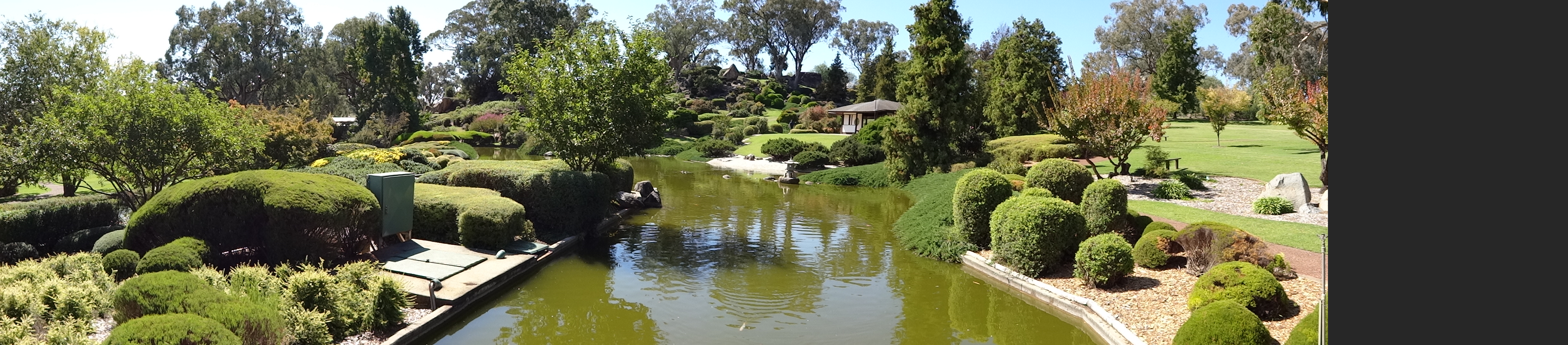
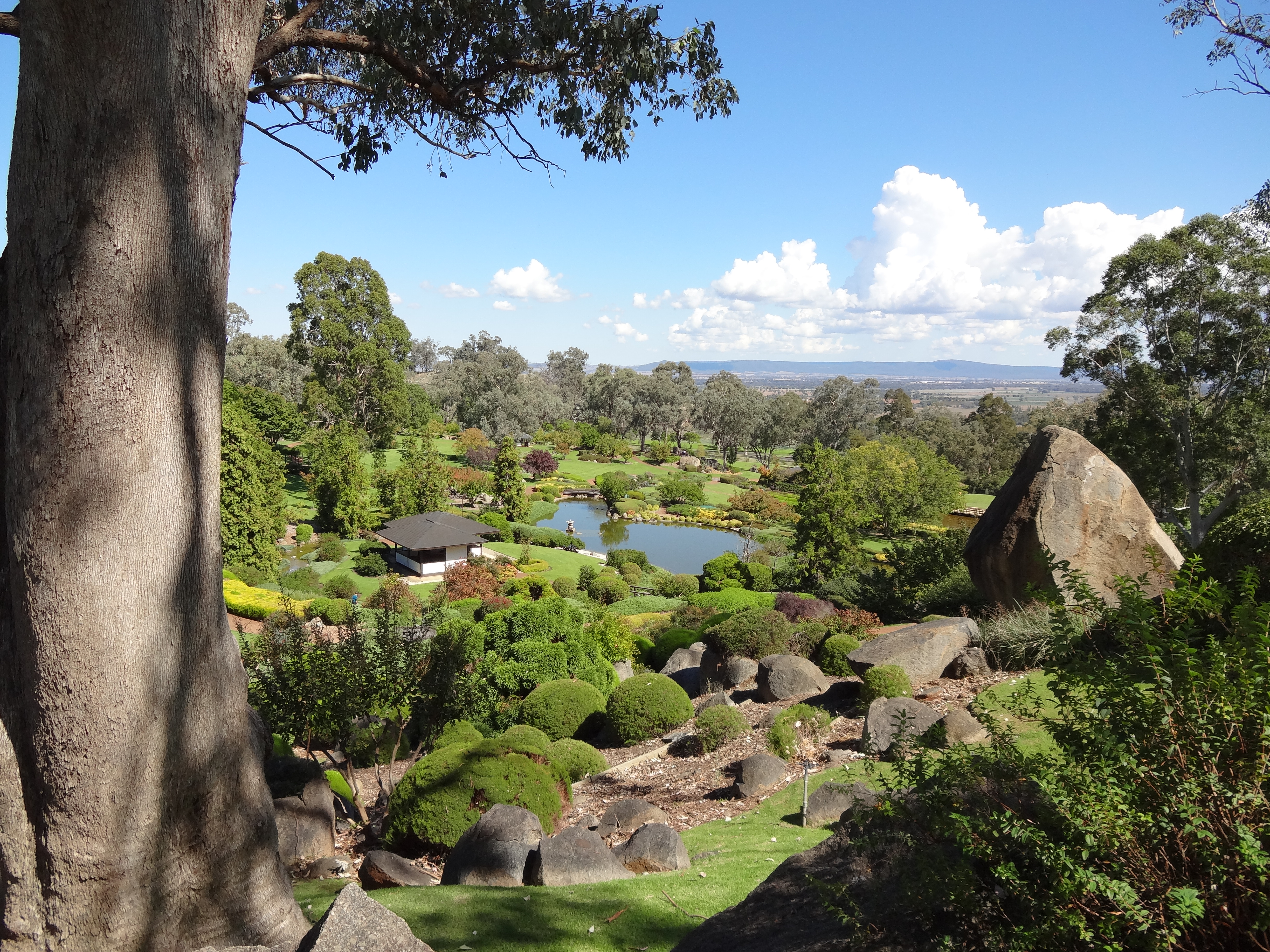
The Japanese Gardens is beautiful and tranquil place.

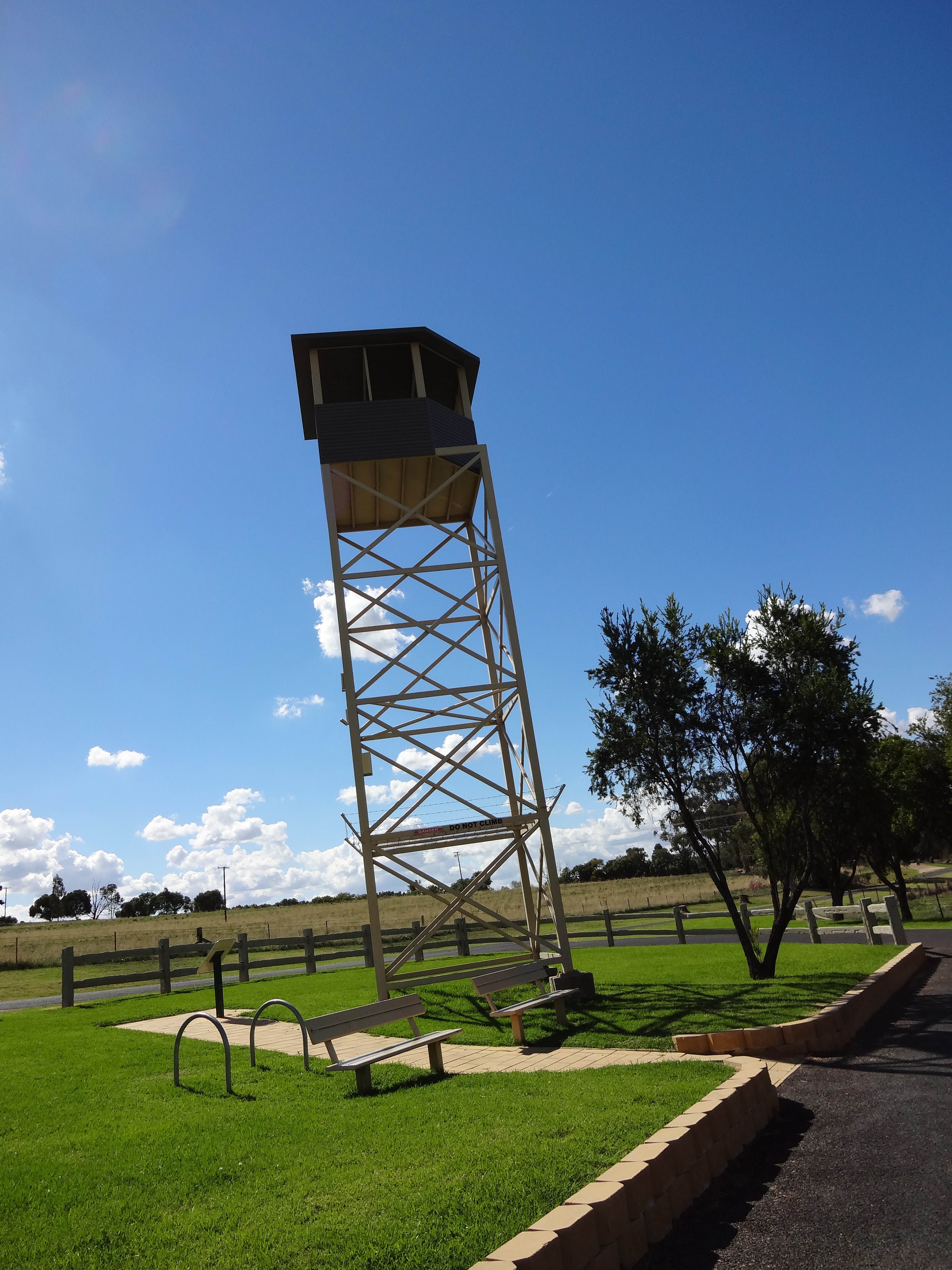
Guard Tower at Cowra POW Camp
Cowra Japanese Garden
Cowra Japanese Garden 2

The Thatcher Legacy

Maggie Thatcher is dead.

There has been a rush of articles in the press about Thatcher’s legacy and her impact on the UK.  Most of this analysis is mixed, being both critical and complimentary to her.

I was in London from 1977 to 1979.  The winter of 1978/79, has become known as the ‘winter of discontent’.   It was that final months of the Labour Government.  The country was suffering high unemployment and industrial unrested.  One well publicised strike was by the garbage collectors in London.  For several days rubbish piled up in parks and squares throughout London.   I think the most photographed pile was the one in Leicester Square.

For me the winter of 1978/79 was the winter of content.  I was having a ball. I will post more about that later.

UK elections take place on Tuesday.  In 1979 I was living in the Wimbledon and Merton constituency.  I recall that the seat was held by the shadow Attorney General, a bloke called Havers  for the  Conservative Party.  The Labour Candidate was a bloke called Rock Tansey.  On the basis of both his Party and his name, Rock had ‘snowflakes in hell’ of winning.

Voting in elections in the UK is not compulsory (compulsory voting is a uniquely  Australian thing).  As a result parties put a lot of effort to get people to vote.  This includes offering to transport them to the polling booth.  In my constituency the Conservatives sent out leaflets with a number to call if you want a lift to the polling booth.  There was booth near the Raynes Park Railway Station where I caught the train to work.

I booked a ride to station courtesy of the Conservative  Party.  A very nice middle aged women arrived at the house at the appointed time in a British Racing Green XJ6 Jaguar.  She drove me the mile and half or so to the polling booth.  As a result Rock Tansey got a vote.  He didn’t win the seat.  The Conservatives won the General Election and as they say, the rest is history.

I returned to London in 1982.  By that time the Thatcherite policies had really started to bite.  Unemployment had hit 3 million and it seemed every second house was for sale.  I still had a ball in London.  More about that later.

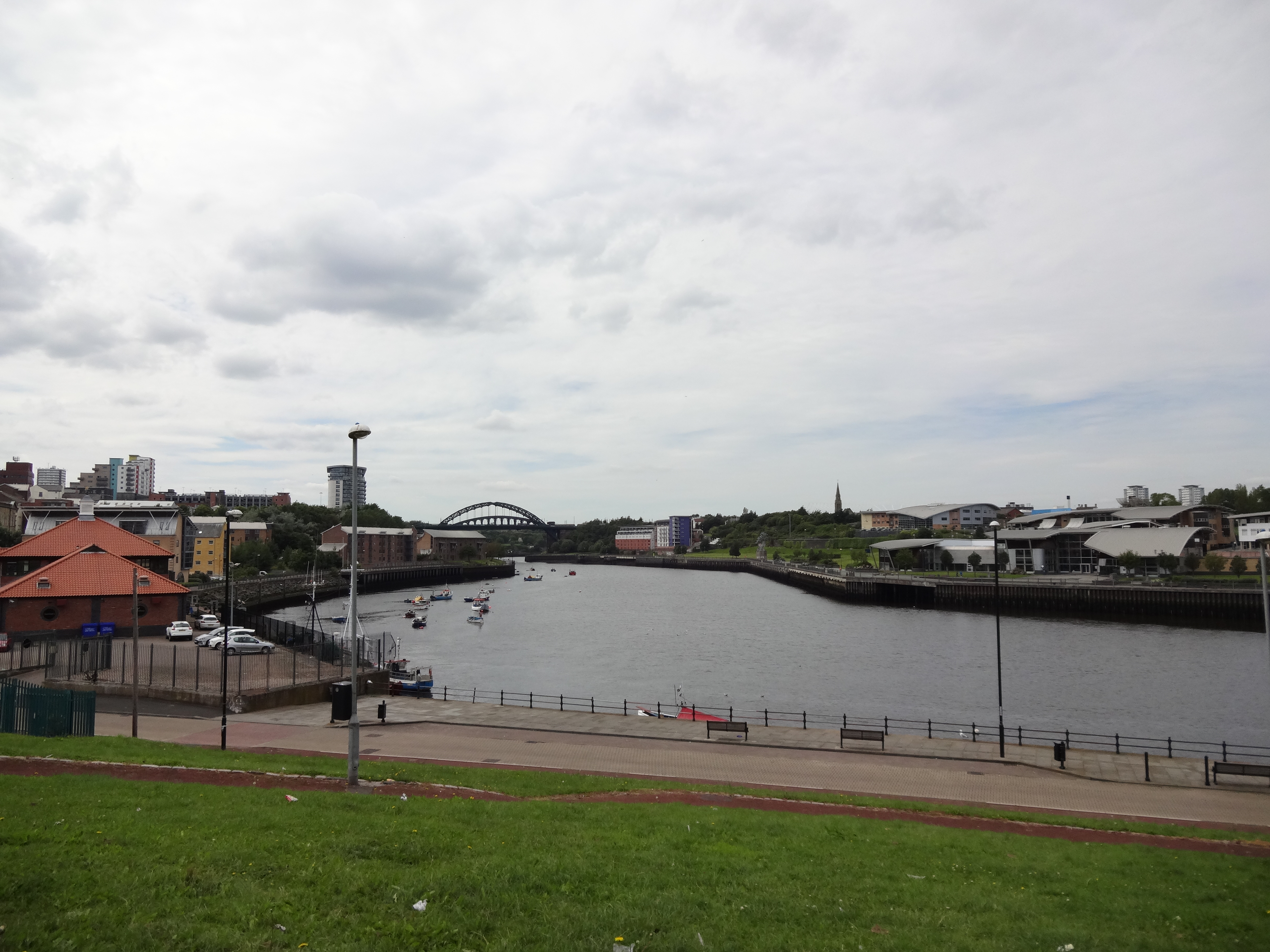
As the recent analysis on the Thatcher years is highlighting, the 1980’s saw the mass destruction of secondary industry in the UK.  This was particularly felt in the industrial Midlands and the North East of England.  The city of Sunderland, where my father was born and brought up is classic example of this destruction.  It was a great ship building centre.  My grandfather worked in the shipyards and the family lived nearby.  During the 1980’s all the ship yards closed.

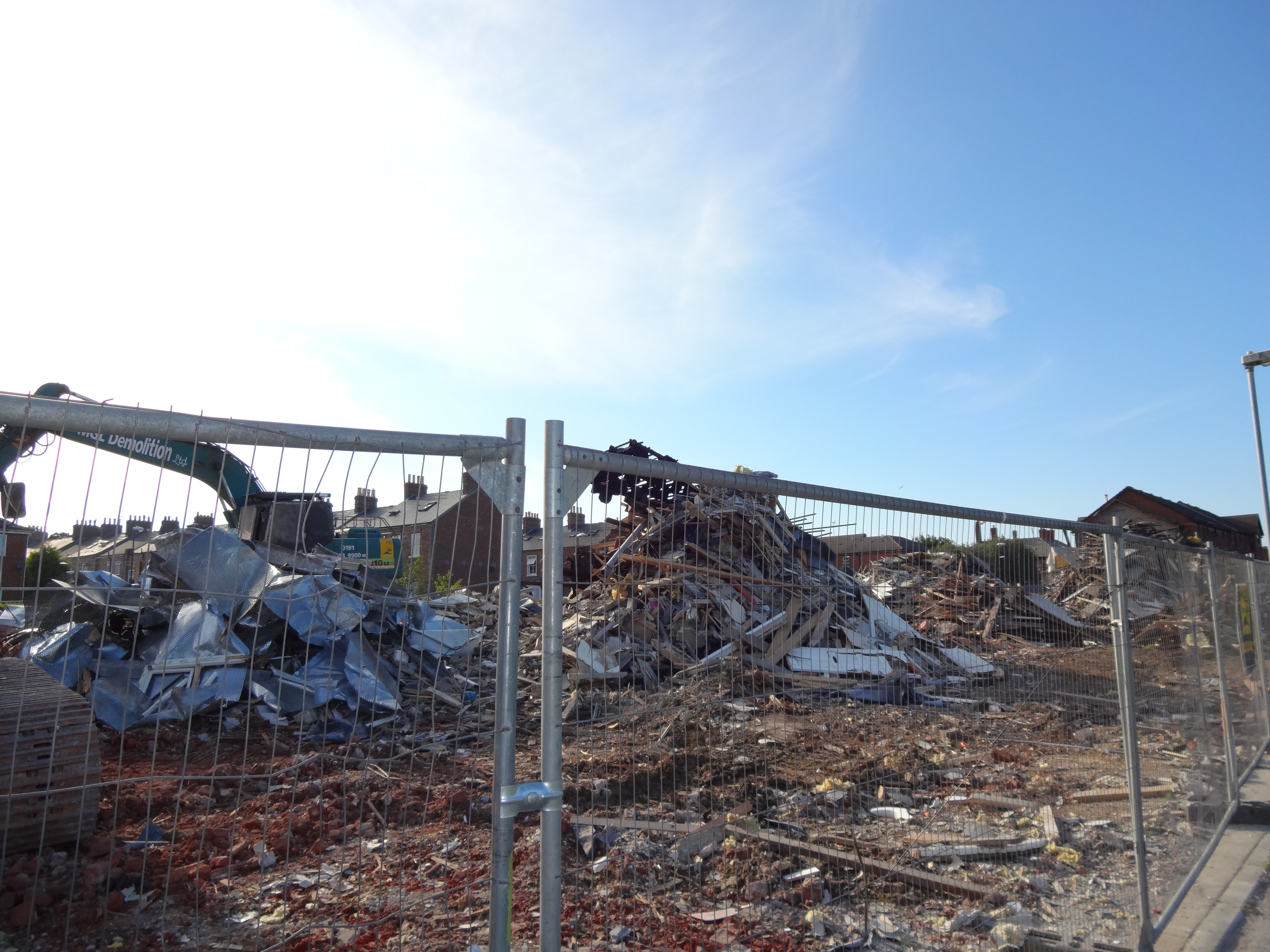
When I returned to Sunderland last year, I went to visit the old family house.  It was been demolished along with a large part of the surrounding neighbourhood.  It appears that this is in microcosm , what is happening to a lot of the UK.  It is also a good example as to why the views on Thatcher and her legacy are mixed.

Ongoing demolishing on houses in Sunderland.  Can Maggie T be blamed?
Ongoing demolishing of houses in Sunderland. Can Maggie T be blamed?
The River Weir Sunderland.  All the ship yard industry has gone.
The River Weir Sunderland. All the ship yard industry has gone.
Neighbourhood in Sunderland where my father grew-up